

Quick Answer: The 2026 hybrid-event leaders are Bizzabo and Cvent for enterprise conferences, vFairs for virtual-first fairs, Zoom Events for accessible in-house events, and RingCentral Events as the ex-Hopin option. Pricing is almost all quote-based now — the platform matters less than matching audience size and format before you sign.
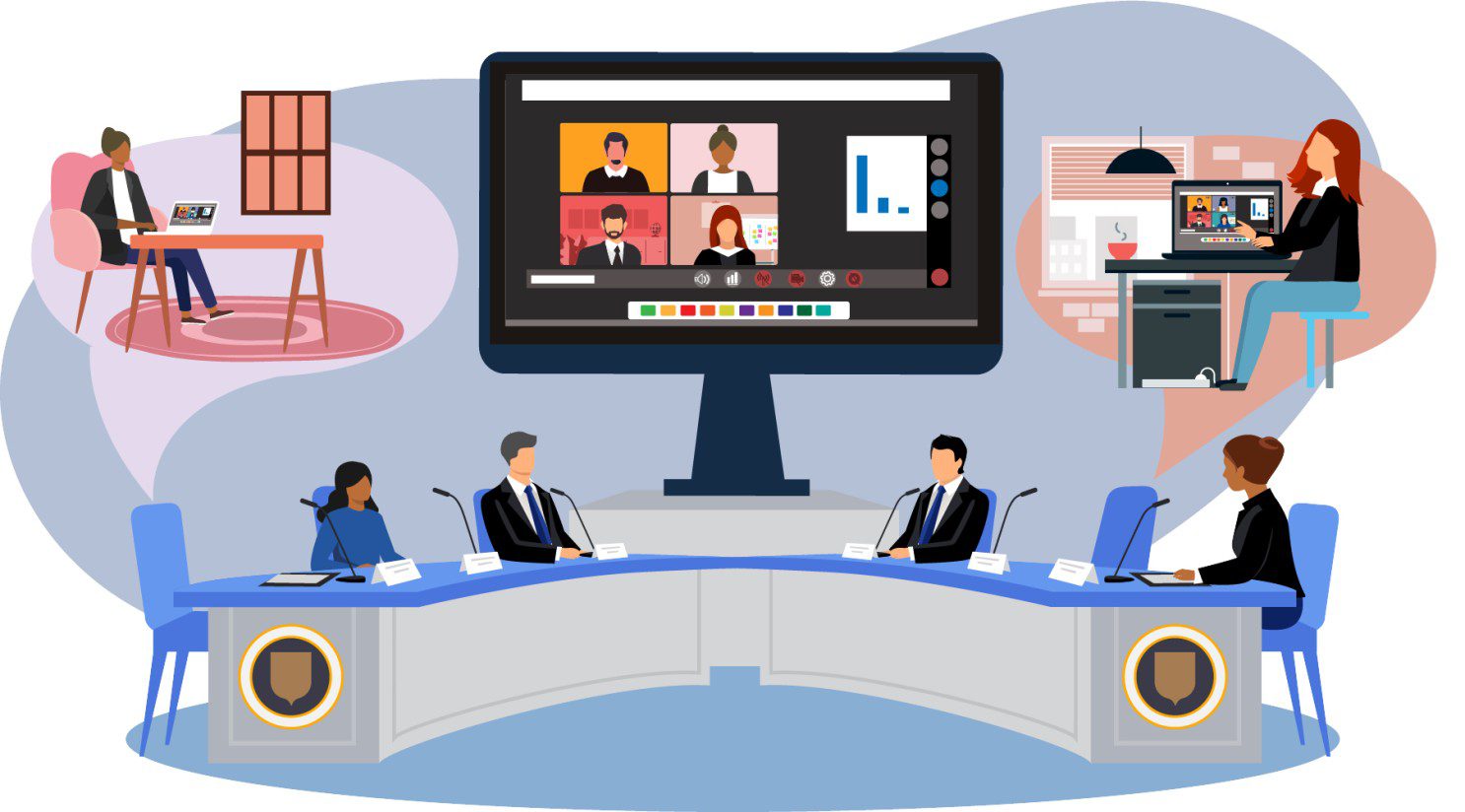
Hybrid events stopped being a pandemic workaround and became a permanent format — but the market around them consolidated hard. The 2021 edition of this list named seven platforms; several have since merged, pivoted, or vanished, and the survivors compete on very different strengths. Here's the honest 2026 landscape: what to look for, who leads at what, and what happened to the names you may remember.
What changed since the original guide
| Then (2021) | Now (2026) |
|---|---|
| Hopin was the fast-growing everything-platform | Sold its events product to RingCentral (now RingCentral Events); Hopin itself effectively exited |
| Every platform rushed out hybrid features | Features matured; differentiation moved to production quality, analytics, and AI assistance |
| Pricing pages with real numbers | Nearly everything is quote-based — budget via demos, not price lists |
| Pandemic-era "everyone remote" framing | The in-room audience is the anchor again; remote attendees get a genuinely designed second experience |
What to look for in a hybrid platform
The remote experience must be designed, not broadcast. A static stream of the stage loses remote audiences in minutes. Look for: session interactivity (Q&A, polls, chat that the room actually sees), networking that works across the physical/digital divide, and on-demand replays that land within hours, not weeks.
Production and support, not just software. Hybrid adds cameras, encoders, and a control room. Enterprise platforms (Bizzabo, Cvent) offer or broker production services; lighter tools expect your AV team to carry it. Match the platform to the crew you actually have.
Analytics that connect both audiences. Registration sources, session attendance across formats, booth visits, and pipeline attribution — the reason most organizations run hybrid at all is measurement, so test the reporting before you commit.
AI features in 2026 are real but uneven: matchmaking for networking, AI-generated session summaries, captioning and translation. Treat them as conveniences to verify in a demo, not deciding factors.
The top platforms in 2026
1. Bizzabo — best for flagship conferences. The enterprise leader for in-person-heavy conferences with a serious hybrid layer: multi-session agendas, the Klik wearable-badge system for on-site networking, and strong speaker/exhibitor management. Best when the event is big enough to justify an enterprise contract. See Bizzabo's platform and their own 2026 platform comparisons — read vendor rankings, then cross-check on G2/Gartner.
2. Cvent — best for managed event programs. The heavyweight for organizations running many events a year: registration, marketing, venue sourcing, and the Attendee Hub hybrid layer in one suite. Overkill for a single webinar; the default answer for a conference portfolio with compliance requirements.
3. vFairs — best for virtual-first fairs and expos. Virtual-first roots show in the details remote attendees notice: exhibitor booths, 1:1 appointments, resource halls, and a hybrid mode that keeps remote attendees first-class rather than spectating. Generally the most accessible entry price of the enterprise-class options. See vFairs' hybrid offering.
4. Zoom Events — best for organizations already on Zoom. The lowest-friction path when your audience already lives in Zoom: hubs, multi-session conferences, and familiar join flows with no new app. It handles mid-sized hybrid events competently; the trade-off is less event-marketing machinery than Bizzabo/Cvent. (Their webinar product page is the closest self-serve entry; Events itself is sold through sales.)
5. RingCentral Events — the ex-Hopin, rebuilt. Hopin's core events product lives on as RingCentral Events — session stages, expo booths, and networking, folded into RingCentral's communications stack. The pick if you liked Hopin's format or already run RingCentral telephony. See RingCentral Events.
6. Airmeet — best for interactive mid-size events. Social-lounge-style networking, tables, and reactive sessions keep remote audiences participating rather than watching; a strong fit for community events and internal town halls up to a few thousand attendees. The hybrid-events hub has practical format ideas beyond the sales pitch.
7. Dreamcast — the regional specialist. The Dubai-based event-tech firm from the original version of this list remains active across the Gulf and expanding markets, offering managed hybrid production alongside its platform — worth shortlisting for Middle-East events where on-ground support matters. Their blog guide from the original article has since disappeared (removed below), but Dreamcast's site is live.
Matching platform to event
| Your event | Start with |
|---|---|
| 500+ attendee flagship conference | Bizzabo or Cvent |
| Virtual job fair / expo with booths | vFairs |
| Company all-hands or customer webinar | Zoom Events |
| Community meetups, interactive sessions | Airmeet |
| Migrating off Hopin | RingCentral Events |
| Gulf-region event with managed production | Dreamcast |
Practical notes from the field
- Get the demo to mirror your real agenda, not the vendor's — ask them to build your trickiest session (a panel with in-room and remote Q&A) live in the demo.
- Quote-based pricing hides wildly different value: some platforms charge per attendee, some per event, some bundle production. Normalize to cost per engaged attendee before comparing.
- Captions and accessibility moved from nice-to-have to expected (and legally required in some jurisdictions) — make live captions and reasonable accommodation support a checklist item.
- Ticketmanager-class registration tools integrate with most of the above — event-management platforms like this one handle ticketing and check-in while the event platform handles the experience; verify the integration before buying both.
FAQ
What happened to Hopin?
Hopin was the symbol of the 2020–21 virtual-events boom, then sold its core events product to RingCentral in 2022 (now RingCentral Events) and wound down the rest. If you have old Hopin recordings or credits, contact RingCentral — the product lineage, not the Hopin brand, is what survives.
What does a hybrid event platform cost in 2026?
Almost everything is quote-based now. Ballparks from the market: self-serve tiers (Zoom, Airmeet) start around hundreds of dollars per event or month; enterprise platforms (Bizzabo, Cvent, vFairs) typically land in the thousands to tens of thousands per event depending on attendee count and production add-ons. Get three quotes for your actual format.
Do I still need a hybrid platform if I have Zoom?
For a webinar or all-hands with a camera in the room — no, Zoom alone is fine. For multi-session conferences with registration, booths, sponsor visibility, and analytics — yes; Zoom Events covers the middle, and Bizzabo/Cvent cover the top. The need appears when the event has commercial or programmatic complexity beyond streaming.
How do you keep remote attendees engaged all day?
Design their experience deliberately: shorter session blocks with hosted Q&A, networking that pairs remote and in-room attendees, live polls the moderator reads aloud, and replays within 24 hours. The failure mode is treating remote as a broadcast — the platforms above all support engagement, but someone has to run it.
Related reading
- Getting ready for an AI-driven future with hybrid cloud
- Best ways to increase revenue using sales automation
- 4 ways to create hype around your startup
Before signing anything, run your hardest session as a pilot on the platform's trial or demo — the differences between these tools show up in minute 40 of a hybrid panel, not in the feature grid.