Augmented reality has been "about to take off" for more than a decade, and most of the hype never turned into daily habits. What has changed is that AR now runs on hardware people already carry, and the businesses making money with it picked one narrow problem first. If you are deciding where AR fits your product or your work, start with a single use case, price the device and bandwidth costs, and measure one result before you scale.
What changed since the original guide
This article first went up in 2019, when AR was mostly a phone-camera novelty plus a few early headsets. Several of its claims need updating:
| Original claim (2019) | Where it stands now |
|---|---|
| AR, VR and MR headset shipments would reach 99.3 million units by 2021 | Treat that forecast as history. Check current IDC or Counterpoint shipment data before quoting any number. [VERIFY: latest headset shipment figures] |
| The AR/VR market would reach $215 billion by 2021 | Forecasts disagree widely. Published 2025 estimates range from about $42 billion to $140 billion, depending on what each firm counts as "AR". Compare the scope definition before using a figure. |
| Apple CEO Tim Cook said AR experiences would be part of daily life, "almost like eating three meals a day" (2016) | Apple's Vision Pro launched in the US on February 2, 2024. Apple calls it a "spatial computer," and daily AR use is still a minority habit. |
Where AR is actually earning its place
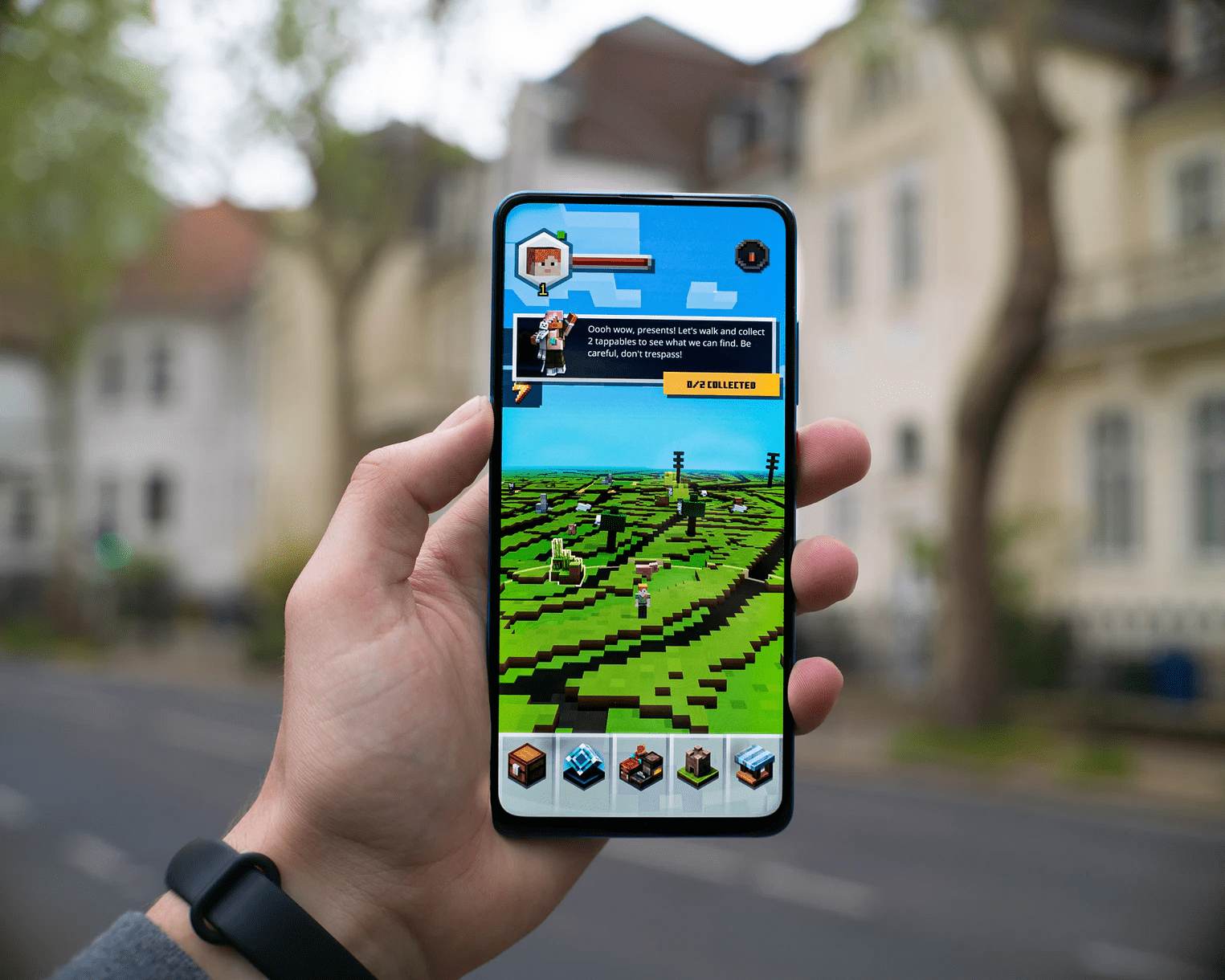
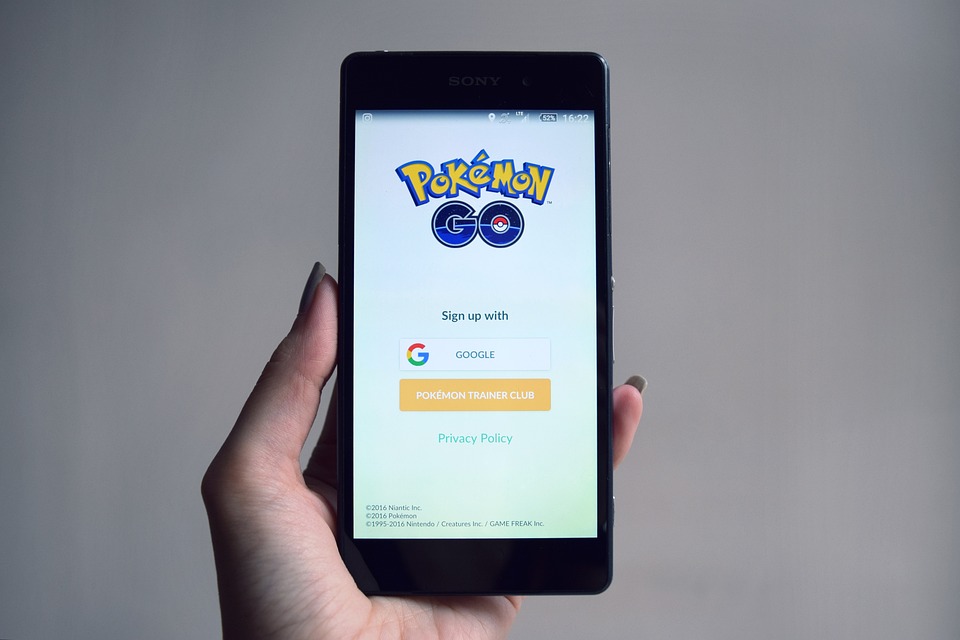
Pokémon GO, released in 2016, showed that AR could reach millions of people on ordinary phones. Gaming is still the biggest consumer showcase, but the use cases that keep coming back in business are less flashy:
- Retail and furniture: placing a product in your room before you buy it, and virtual try-ons for glasses and clothing.
- Field service and maintenance: step-by-step overlays that show a technician where a part goes.
- Training and education: 3D models that students can rotate and inspect instead of reading a diagram.
- Healthcare: specialist tools, such as vein-visualisation devices and surgical planning, usually sold to clinics rather than consumers.
How to pick your first AR project
1. Find one task where a person looks at a screen or a manual, then does a physical action. That gap is where AR earns its keep. A feature that only looks cool will not survive a budget review.
2. Check what devices your users already own. A phone-based AR feature reaches far more people than a headset-only one, and it needs no extra hardware purchase.
3. Build a rough prototype with the official toolkits. Apple's ARKit documentation and Google's ARCore site both cover the basics for iOS and Android.
4. Measure one number before you expand. Task completion time, return rate or support calls are all good candidates. If the number does not move after a fair test, stop and try a different task.
5. Test on the network your users really have. Heavy 3D assets and streaming models fail on slow connections, so check load times on a mid-range phone over mobile data.
What to check before you buy in
- Headsets are still expensive. Vision Pro starts at several thousand dollars, and Apple has raised the price since launch. Check Apple's store for current pricing. [VERIFY: current Vision Pro starting price]
- Phone AR is cheap but not free. Long camera sessions drain the battery and heat the device, so keep sessions short and purposeful.
- AR apps see your surroundings. Before you grant camera access, look at what an app collects and whether it shares data with third parties.
If you want a broader view of where AR meets everyday tech, the six advantages of augmented reality for companies and the future of AR glasses in wearable tech are good next reads.
Frequently asked questions
Is augmented reality still a big deal in 2026?
Yes, but mostly through phones and specialist tools rather than headsets everyone wears. Gaming, retail try-ons and industrial training have the clearest returns. Consumer headsets exist, but they have not become a mass-market habit, so build for the device people already have.
What is the difference between AR, VR and MR?
AR adds digital objects on top of the real world, VR replaces the real world with a digital one, and mixed reality lets virtual objects interact with real surfaces. The Jelvix comparison of VR, AR and MR lays out the differences in more detail.
Do I need a headset to use AR?
No. Most AR experiences run on a smartphone or tablet camera, which is how most people have already used it, from filters to furniture apps.
Pick one problem, test it on the device your users already have, and let the numbers decide the next step.