

Photo: Pexels
Quick Answer: In 2026 the app choice follows your ecosystem: Google Home (now Gemini-powered), Amazon Alexa (with Alexa+ rolling out), Apple Home for iPhone households, and SmartThings for Samsung. Home Assistant is the power-user escape hatch from all of them, and Matter is the standard that lets you mix brands.
Three years can quietly remake an entire product category. Since the 2023 version of this list: Google replaced the Assistant experience with a Gemini-built Home app, Amazon started shipping Alexa+ to the masses, two names on the old list went bankrupt or survived only after rescue, and Matter matured from promise to plumbing. Here are the eight apps worth your phone's home screen in 2026 — and honest notes on what happened to the ones that fell off.
What changed since the original guide
| Then (2023) | Now (2026) |
|---|---|
| Google Assistant voice everywhere | Gemini for Home rolling out (US + 18+ markets from Oct 2025) inside a redesigned Home app |
| Alexa as-is | Alexa+ generative assistant in phased rollout — expected $19.99/month for non-Prime users, free with Prime |
| Nest app separate | Merged into Google Home — the standalone Nest app is legacy |
| Wink hub on life support | Alive but subscription-bound: $5.99/month to keep your own hub working |
| Insteon bankrupt (Apr 2022) | Rescued by a user group, servers restored — alive but niche |
| Matter "coming" | The default interop layer across all major brands |
1. Google Home — best for Android households
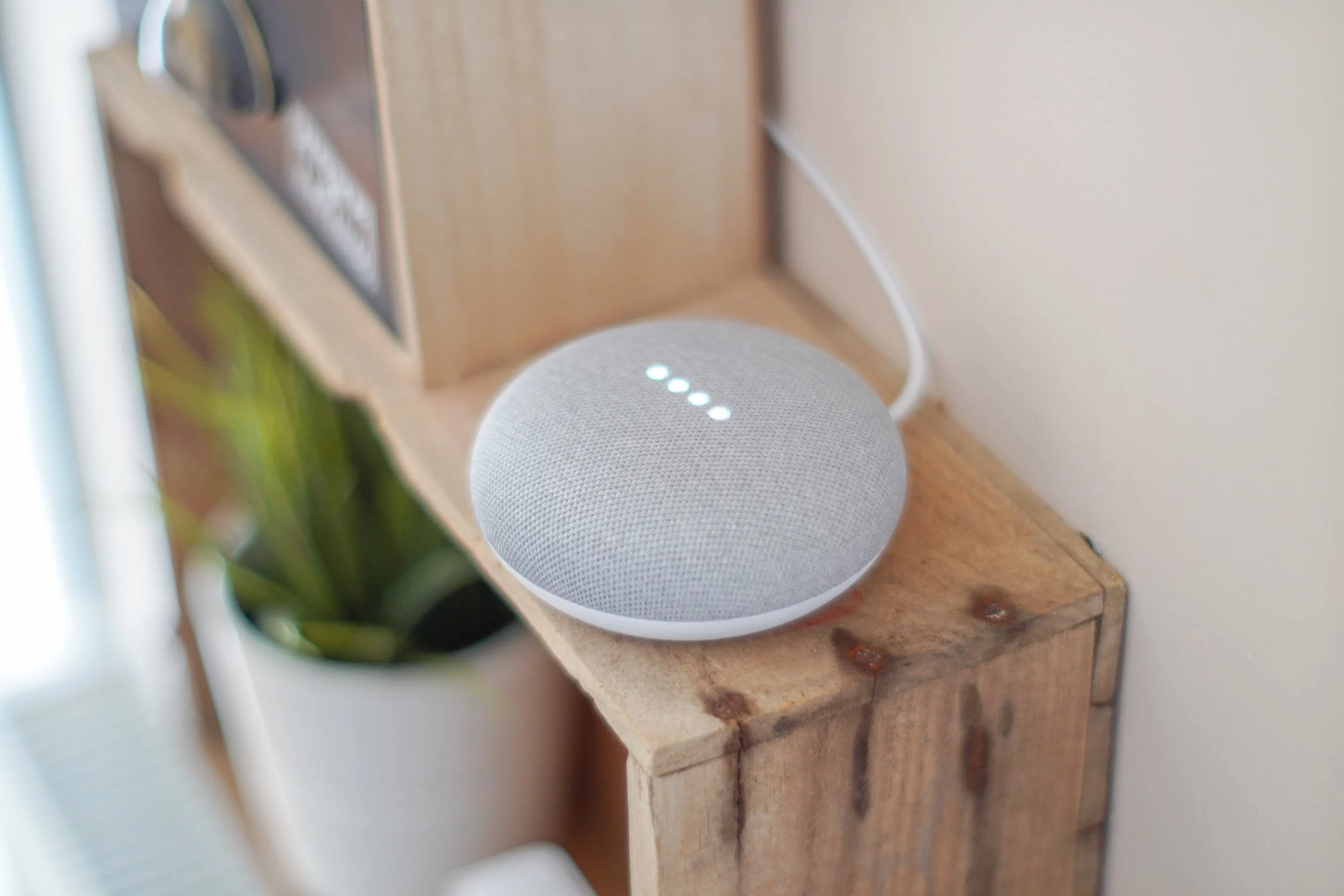
The Google Home app is the control center for Nest devices, Matter accessories, and Android's assistant — and in 2026 it's mid-transformation: the redesigned app puts Gemini at its center, with natural-language control ("make the living room cozy") rolling out to Nest speakers and displays in early access. The honest catch: the redesign has proven divisive, and Matter device support inside Google Home remains weaker than rivals'. Still, for a household of Android phones, it's the least-friction option — and the free tier covers control, automations, and the basics most people need.
2. Amazon Alexa — best device ecosystem, changing fastest
Alexa remains the widest device ecosystem in the business, and the Alexa+ generative upgrade reached broad early access through 2025 with a US rollout beginning in 2026. The change with real consequences: Alexa+ is expected to cost $19.99/month for non-Prime households (free with Prime), which converts what was a bundled convenience into a subscription decision. If you're deep in Echo devices, ride the rollout — but price the future before adding more Alexa-only hardware.
3. Apple Home — best for iPhone-only homes
Apple Home (the built-in Home app) is the most private-feeling and most polished-per-device option: end-to-end encryption for camera streams, Home Keys, and tight Handoff integration. Its weakness is the inverse of its strength — it works brilliantly inside Apple's walls and grates at the boundaries, with fewer supported device categories than Google or Amazon. Apple-household verdict unchanged: no separate app needed; this one's already installed.
4. Samsung SmartThings — best all-rounder
SmartThings has quietly become the most complete mainstream app: broad Matter support, Edge drivers that run integrations locally on the hub, routines with genuinely deep condition logic, and energy monitoring. It's the pick for mixed-brand homes — you don't need Samsung hardware to use it, though a Samsung SmartThings Hub (or Station) unlocks the local-execution features. SmartThings is free; the hub is the optional cost.
5. Home Assistant — best for tinkerers
The open-source escape hatch from every walled garden above. Home Assistant runs on a Raspberry Pi or small box, integrates with virtually everything (including local control of devices the big apps deliberately cloud-privatize), and answers to no vendor's roadmap or subscription. The cost is your time: configuration is a hobby, not an install. If 2026's subscription creep (Alexa+, Wink's fee) annoys you, this is the exit — a companion app and voice options exist, and your automations survive any corporate strategy pivot.
6. Tuya Smart / Smart Life — the app behind a thousand brands
A huge share of budget smart devices — plugs, bulbs, sensors sold under dozens of brand names — are Tuya hardware, and Tuya's own apps (Smart Life or Tuya Smart) are their control centers. It's functional and free, with scenes and schedules; the trade-offs are cloud dependence for most features and a messier interface than the ecosystem apps. Rule of thumb: use it to set up and automate the cheap devices, then expose them to your main app (or Home Assistant) through Matter or integrations.
7. Homey — best for serious automation without self-hosting
Homey sits between SmartThings and Home Assistant: powerful multi-protocol hub (Zigbee, Z-Wave, Matter, Thread), flow-based automations, local execution — with the polish of a commercial product and no monthly fee on current hubs. The catch is hardware pricing: the Pro tier costs real money. For households that want Home Assistant's power without the sysadmin role, it's the pragmatic middle.
8. IFTTT — the glue that still earns its slot
IFTTT isn't a smart-home controller so much as the connective tissue between services — trigger from one ecosystem, act in another, or bridge devices no native integration links. Its free tier narrowed over the years (the 2023 version of this list called it "free"; it's freemium now), and its once-unique position has been eaten by Matter and native integrations — but for quirky cross-service automations ("blink the lights when my code deploys"), it remains the lowest-effort tool.
The apps that fell off the list
- Nest app — merged into Google Home; functionality lives on, the standalone app doesn't.
- Wink — survived, but inverted its model: $5.99/month or the hub stops. A cautionary tale about cloud-dependent hardware.
- Insteon — the 2022 overnight shutdown (users woke to dead servers) ended when a user consortium bought and revived it. Operational, but a niche purchase in 2026.
- Vivint — still selling professionally installed security systems; dropped from the list because it's a security subscription, not a general control app. If you're evaluating that category, our home security checklist covers the questions to ask first.
Choosing in 2026
| You are… | Pick |
|---|---|
| Android + Nest household | Google Home |
| Deep in Echo devices | Alexa (price the Alexa+ future) |
| All-iPhone home | Apple Home (built in) |
| Mixed brands, want one app | SmartThings |
| Privacy-first, love to tinker | Home Assistant |
| Mostly budget Tuya devices | Smart Life + a main app above it |
| Power without self-hosting | Homey |
| Cross-service automations | IFTTT |
FAQ
Do I need Matter in 2026?
You need Matter support in whatever app you pick — it's the standard that lets one app control another brand's devices. You don't need to buy anything extra for it; every app above speaks Matter, and new accessories carry the logo. Practically, it means your next bulb or plug can join whichever app you chose.
Is Alexa really going to cost $20/month?
Alexa+ — the new generative version — is expected to cost $19.99/month for non-Prime households after the rollout, free with Prime. Classic Alexa commands on existing devices continue without the fee. The practical advice: don't build automations that depend on Alexa+ features until you know whether your household will pay.
Is Home Assistant too complicated for a beginner?
The install is easy (a one-image flash onto a Raspberry Pi); the configuration is where time goes. If your goals are standard — lights, plugs, thermostats, cameras — the built-in discovery covers most of it in an evening. If you enjoy tinkering, it becomes the best smart-home money you never spend; if you want an appliance experience, pick SmartThings instead. Either way, automation brings its own security surface — our smart home automation security rundown covers the protections worth setting up.
What happened to Wink and Insteon? Should I avoid cloud-dependent hubs?
Wink survived by charging $5.99/month for hardware customers already owned; Insteon died overnight in 2022 before a user-led rescue. The lesson stuck in the market: prefer devices with local control (SmartThings Edge, Home Assistant, Homey, Matter-over-Thread) or at least a graceful offline mode, because "requires our cloud" is a subscription you agree to twice — once in price, once in risk.
Related reading
Pick the app that matches your phone before buying any new hardware — the reverse order is how closets fill up with orphaned plugs.