WordPress still runs roughly four of every ten websites, which means its development trends are the web's development trends. The 2026 picture: the block editor finished its long takeover, AI moved into the actual building workflow, Europe's accessibility law started naming fines, and a bruising two years of plugin vulnerabilities rewrote security defaults. Here are the seven WordPress development trends that matter this year — and who each one should push into action.
| Trend | Who should act | Effort |
|---|---|---|
| Block themes and site editing | Agencies on legacy themes | Medium — one rebuild |
| AI in the build workflow | Every developer and site owner | Low — adopt tools |
| Performance as default | Sites failing Core Web Vitals | Low–medium |
| Post-supply-chain security hygiene | Every site owner | Low — settings + process |
| Headless WordPress | Content-heavy product teams | High — only when it pays |
| Accessibility law compliance | Anyone with EU users | Medium |
| Commerce and low-code convergence | Stores and small businesses | Low |
1. Block themes and site editing became the default path
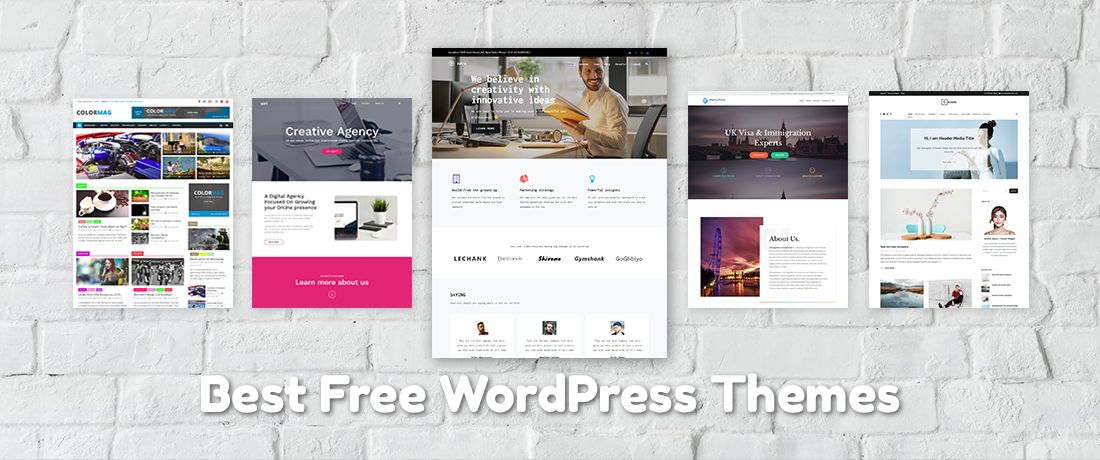
The Gutenberg project's slow revolution reached its practical endgame: current default themes are block themes, full site editing is mature, and building a classic-PHP theme for a new site is now a deliberate legacy choice rather than the obvious one. Block themes — templates built from the same blocks as the content — mean clients can edit headers, footers, and templates without touching code, and theme.json gives developers a central config for styles.
The honest state of play in 2026: block themes win for new builds and maintenance-light sites; classic themes and hybrids still power a large share of live sites, and Elementor-class page builders remain entrenched where non-technical teams demand pixel-level control. The migration question is real, though — agencies are quoting block-theme rebuilds as old classic themes age out of support, and for good reason: the ecosystem's new features land in blocks first.
2. AI moved into the build workflow, not just the content
The first wave of "AI for WordPress" was content generation bolted into plugins. The 2026 wave is closer to the metal: Jetpack's AI assistant writes and refines copy inside the editor; AI helpers generate block patterns, translate sites, and write custom-code snippets; and hosts bundle AI site-setup assistants that scaffold a working site from a prompt. WordPress's own roadmap has AI feature teams shipping into core experiments.
Two developments give this trend substance beyond demos: AI-assisted code review for plugins (catching the vulnerability classes that plagued 2024–25), and translation AI that makes multilingual sites affordable for small businesses that previously couldn't justify them. The caution is the same as everywhere else on the web — AI-generated copy needs a human editor with a pulse on the brand, and unreviewed AI code is how vulnerabilities get written at scale.
3. Performance stopped being optional
WordPress spent 2024–2026 building performance into core instead of leaving it to plugins: a dedicated performance team ships optimizations every release, modern image formats (WebP and AVIF) work natively, lazy loading and script-delay strategies are defaults, and the hooks exist to defer nearly everything non-critical. Google's Core Web Vitals — meanwhile baked into search rankings — reward exactly this.
What developers actually do in 2026: pick a host with server-level caching and HTTP/3, use a block theme instead of a builder that ships megabytes of CSS, and let core handle the image pipeline. The gap between a default-configured modern WordPress site and a hand-tuned one has narrowed dramatically — the remaining failures are almost always plugin bloat or a heavy page builder, which is a choice, not a limitation.
4. Security grew up after the supply-chain scares
The 2024–2025 run of mass plugin vulnerabilities — commercial plugins and free ones alike exposing millions of sites — was the ecosystem's stress test, and it changed defaults. WordPress.org now forces security updates for abandoned plugins with known flaws, automatic-update mechanisms are standard practice rather than a checkbox, and site owners learned the hard way that an unloved plugin is a standing door.
The 2026 checklist that came out of it: fewer plugins, each actively maintained; automatic updates for plugins with a rollback plan (core supports restoring previous plugin versions); passkeys or app-based two-factor on every admin account; and a real backup you have actually restored from at least once. Managed hosts bundle much of this — but the day-to-day maintenance discipline is still the owner's job, and it is the difference between a scare and an outage.
5. Headless WordPress found its proper size
Decoupled front-ends — WordPress as content API feeding a React or Next.js site — remain the answer for content-heavy products that need app-grade interactivity, and the tooling (REST, GraphQL via WPGraphQL, frameworks like Astro for content sites) is better than ever. But the trend since the hype peak is honesty about cost: a headless build doubles the surfaces to maintain, forfeits most of the plugin ecosystem's UI magic, and needs a real development team on call.
The 2026 pattern: marketing sites, publications, and small business sites stay monolithic (block themes, fast, cheap to maintain); product experiences with logged-in apps and complex interfaces go headless deliberately, with the budget to match. If someone proposes headless for a five-page brochure site, the trend data says: don't. Our headless CMS comparison walks the decision.
6. Accessibility law arrived, and it has fines
The European Accessibility Act became enforceable in June 2025, and it covers e-commerce and most commercial web services serving EU users — which is to say, most WordPress sites with international customers. WCAG 2.2 is the working standard, and the enforcement reality moved accessibility from "nice to have" to procurement requirement.
The WordPress angle is favorable: block themes and core components are built to accessibility standards, and the audit tools are mature. What actually fails in practice is the same as always — missing alt text, impossible color contrast, keyboard traps from custom widgets, and PDFs nobody tested. Developers are adding accessibility checks to launch checklists because clients now ask, sometimes with lawyers cc'd.
7. Commerce and low-code keep converging
WooCommerce still leads WordPress commerce, and its development trend tracks the block editor's: store layouts, cart, and checkout blocks now customize without PHP, while performance work made checkout pages lighter. The competitive pressure comes from two sides — hosted platforms (Shopify) for simplicity and headless commerce for scale — and WooCommerce's 2026 answer is being the flexible middle: own your data and stack, customize what you need, keep costs predictable.
Meanwhile the low-code layer (builders, form plugins, automation connectors) absorbed tasks that used to be custom development quotes. The developers who thrive aren't fighting this — they're wiring it together: custom blocks where it matters, low-code where it doesn't, and beginner-friendly WordPress foundations underneath so clients can run their own sites after handoff.
What this means if you're commissioning a WordPress site in 2026
Ask the short list: block theme or builder (and why), performance budget for mobile, the plugin shortlist with maintenance status, an accessibility statement, and the backup/restore story. A developer with good answers to those five questions is current with the platform's actual direction; vagueness on any of them dates the skill set. If you're weighing e-commerce plugin options, the same five questions sort the field.
FAQ
Are page builders like Elementor dead in 2026?
No — they remain popular, especially with non-technical teams that want pixel control without code. But they're no longer the default recommendation for new builds: block themes ship less code, load faster, and keep content editable through the native editor. The defensible case for a builder is a team already fluent in one, or design requirements block themes genuinely can't meet.
Is headless WordPress worth it?
For content-driven products with app-like interfaces and a development team on staff — often yes. For blogs, brochures, and most business sites — no; you inherit a second stack's complexity for speed gains that a well-built block theme now mostly matches. Decide from maintenance budget, not demo-day wow.
How has AI changed WordPress development work?
It absorbed the boilerplate: pattern scaffolding, CSS tweaks, translation, documentation, and first-pass code review all got dramatically faster. Custom architecture, security judgment, and client communication didn't. Developers report the same shift as the wider industry — more reviewing, less typing — plus a new responsibility for auditing AI-generated code and content before it ships.
What are the minimum security steps for a WordPress site in 2026?
Active plugins only, automatic updates on, admin accounts behind two-factor or passkeys, a scheduled backup you've tested a restore from, and a vulnerability scan on any plugin before you install it. WordPress.org's forced security updates for abandoned plugins help, but the site owner's update discipline is still the control that matters most.
Related reading
Which side of the block-theme migration is your site on — and if you're still on a classic theme, what's holding the rebuild back? Tell us in the comments.