The point-of-sale system stopped being a cash register years ago, but the 2026 version of the conversation is different from even the 2023 one: the terminal itself is dissolving into a phone, payment-security rules gained real enforcement teeth, and AI is quietly taking over both the sales floor and the stockroom. If your POS decision is more than two years old, this is what has changed and what to check before signing anything.
Quick Answer: The 2026 POS trends that matter: softPOS (taking contactless payments on a phone or tablet with no hardware), unified commerce across online and offline channels, PCI DSS 4.0.1 compliance now fully mandatory, AI for forecasting and loss prevention, and data practices that survive tightening privacy law. Integration quality beats feature lists when choosing a system.

1. The terminal disappears into the phone you already own
The fastest-growing corner of the POS market is the one with no terminal at all. SoftPOS — software that turns a merchant's own NFC phone or tablet into a contactless card reader — is projected by market researchers to grow at more than 20% annually through the early 2030s, and Apple's and Google's Tap to Pay made it mainstream. For a market stall, salon or pop-up shop, the entire card-acceptance setup is now an app and an approval. Dedicated hardware still wins for high-volume counters (battery life, receipt printers, crash-proofing), but the "every terminal costs hundreds upfront" era is over.
What to check: whether your payment provider offers tap-to-phone, and what percentage it takes per transaction.
2. Unified commerce, not multichannel patchwork
The trend that has eaten every POS procurement conversation: one system where the web store, the physical counter, marketplaces and social channels share inventory, customer profiles and returns in real time. Industry surveys consistently put integration at the top of restaurant and retail POS priorities — customers expect to buy online and return in store without a negotiation. The practical test when evaluating any system: sell an item online, and watch how fast the floor stock updates. If the answer involves a sync delay or a CSV export, keep shopping. Platforms like Shopify POS built their pitch on exactly this unification; legacy systems bolt it on with varying success.
3. Compliance got teeth: PCI DSS 4.0.1 is not optional
The transition window for the PCI DSS 4.x standards closed on March 31, 2025. Every merchant assessment since then runs against the new rules, and the changes with real teeth target e-commerce checkout pages: script integrity controls, payment-page protection against skimming malware, stronger authentication defaults. Small merchants feel this mostly through their providers, but if you run your own checkout pages or embedded payment forms, 2026 is the year to verify your scripts are controlled and your hosting hasn't drifted out of compliance. Your acquirer or gateway can confirm which side of the requirements you sit on.
4. AI moved from marketing copy to actual work
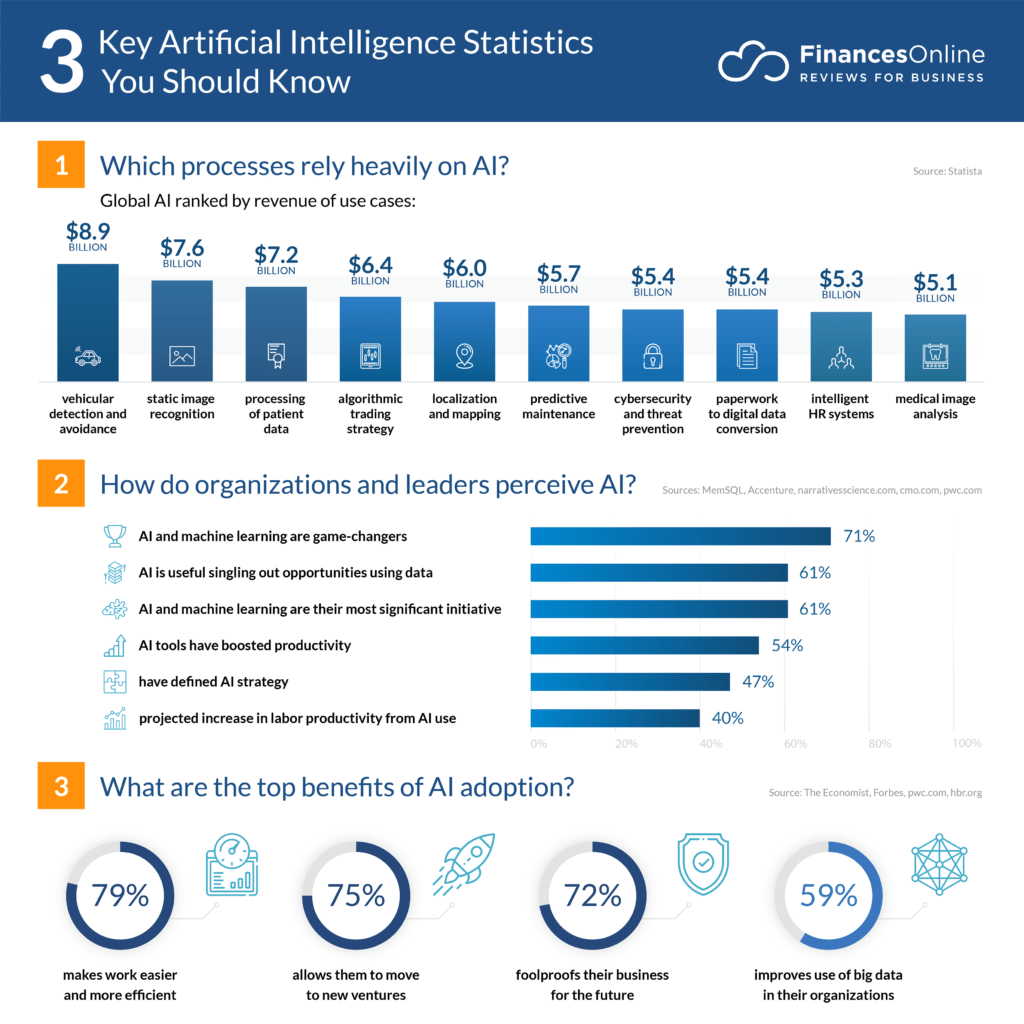
Three AI jobs at the counter are past the hype stage. Forecasting: modern POS systems project demand per product and per day from sales history, which quietly fixes over-ordering. Personalization: the customer profile your POS builds at checkout now drives the email and offer engine — done well it is useful, done lazily it is creepy, and privacy law (more below) draws the line. Loss prevention: self-checkout shrink runs several times higher than staffed lanes by industry estimates, which is why computer-vision systems that watch for mis-scans are becoming standard equipment at large chains; IDC expects half of large retailers to expand vision-based monitoring by 2028. Smaller stores get the same idea in cheaper form: camera-assisted age checks and weight-sensor mismatch alerts.
5. The payments mix keeps shifting
Cash continues its slide, contactless is the default almost everywhere, and two additions matter in 2026. Buy-now-pay-later moved from an e-commerce add-on to an in-store option integrated at the terminal — worth understanding before a customer asks for it. And in India specifically, UPI remains the quiet success story of point-of-sale evolution: a QR code and a phone replaced the card terminal for millions of small merchants, and the payment apps handle settlement the way a POS once did. Whatever you sell, your "POS" is now a mix of card, contactless, UPI and wallet flows — choose systems that treat all of them as first-class.
6. Data practices that survive the lawyers
POS data is personal data, and the rules around it keep tightening: Europe's GDPR set the template, and India's DPDP Act moves enforcement closer every quarter. Two habits keep a small merchant safe: collect what you actually use (a phone number for order updates is defensible; a customer database "for later" is not), and tell customers plainly what receipts and loyalty programs store. If your POS vendor cannot produce a plain-language statement of where data lives and who can see it, that is a procurement red flag in 2026. The same discipline applies to the digital side of payments — our digital payment app security practices cover the everyday version.
FAQ
Do small shops still need a traditional POS system in 2026?
Many do not. A smartphone with a payment app, a QR-code UPI setup, and a spreadsheet-level inventory tool covers market stalls, salons and single-counter shops. A full POS earns its cost when you hold real inventory across channels, need staff permissions and shift reports, or sell in person and online simultaneously.
What is softPOS in plain terms?
Software that makes a regular NFC-capable phone or tablet accept contactless card payments, certified to the same security standards as a hardware terminal. The customer taps their card or phone on the merchant's device; no card reader hardware is bought or rented.
Is PCI compliance something a small merchant handles personally?
Indirectly. If you use a hosted checkout or a provider's app, they carry most of the burden and you complete a short self-assessment questionnaire annually. The obligations grow when you handle card data yourself or run custom checkout pages, which is where the 4.x requirements now bite.
Will AI replace the cashier?
It is reshaping the job rather than deleting it. Self-checkout and computer vision reduce some front-end roles while creating loss-prevention and floor-support work. For most independent shops, the practical AI benefit arrives through forecasting and stock recommendations, not robot tellers.
How often should a business replace its POS system?
On a cadence of about five to seven years, or when a hard requirement appears: a compliance deadline, a payments method you cannot accept, or an integration that fails. Between replacements, keep the software updated — most "we got breached" stories at small retailers trace to years-old unpatched systems.
Before signing any POS contract, run the two-question test: can it take a UPI QR, a tap and a BNPL request on the same counter, and can the vendor show — not claim — the online-offline inventory sync working live? For the payments layer underneath, see our guide to accepting online payments and the legal considerations for payment gateways in India.