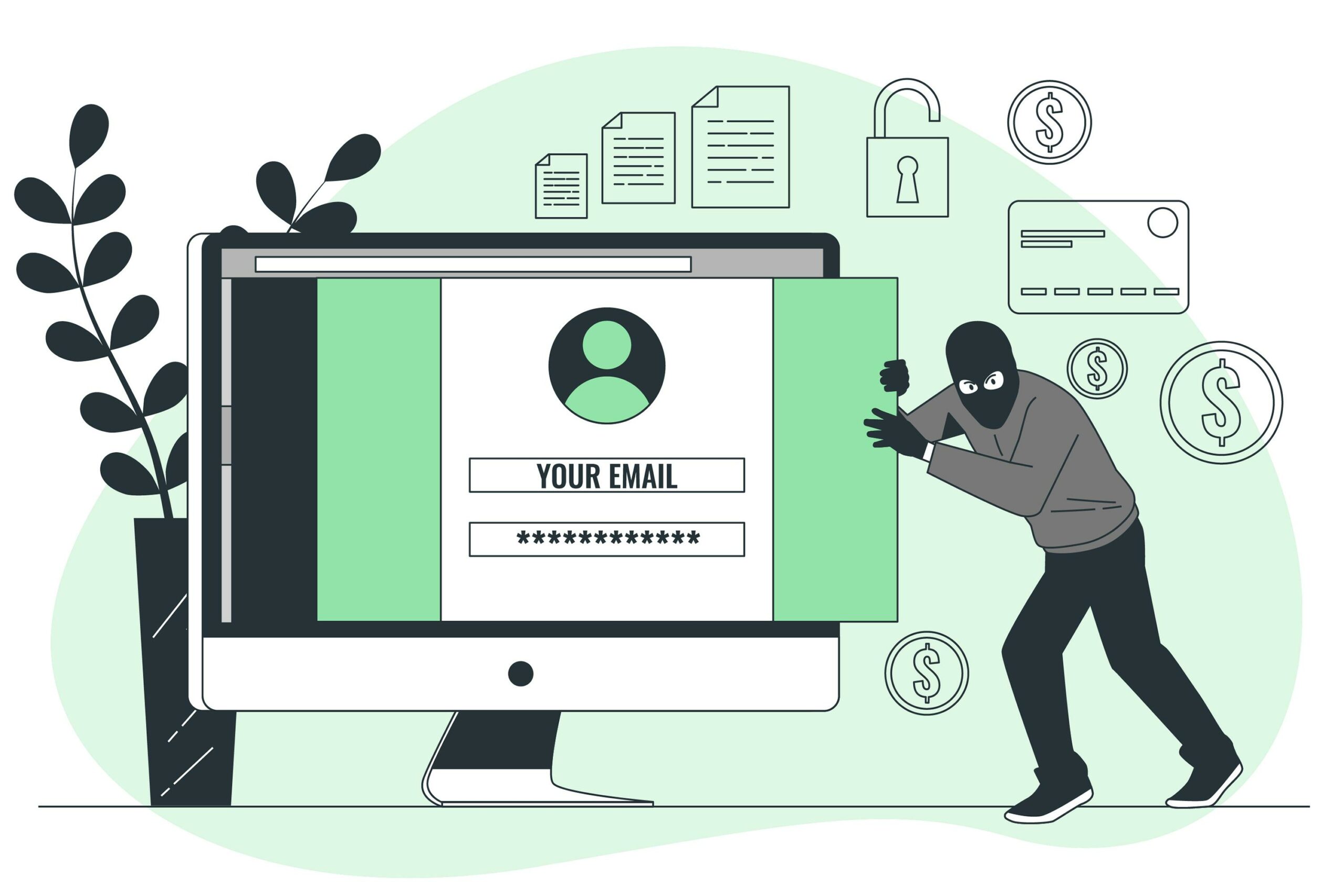
Four years ago this article listed ransomware, hiring gaps, healthcare threats and supply-chain attacks as "trends to watch." The uncomfortable update for 2026: all four stopped being trends and became the normal weather. Ransomware is now a subscription industry, AI writes phishing that fools professionals, one exploited file-transfer tool paralyzed thousands of companies at once, and a single healthcare ransomware event disrupted claims for half the US population. Here's what each of those looks like now — and what changed since the 2022 version of this piece.
Quick Answer: The four cyber security trends to watch in 2026: ransomware run as organized subscription crime (RaaS), AI-powered attacks and defenses, supply-chain attacks that hit thousands of victims through one vendor, and sustained targeting of healthcare and critical infrastructure. Global security spending is forecast to approach $250 billion in 2026 as organizations respond.
1. Ransomware Became an Industry — Then Got Policed
In 2022, ransomware was already big business. What's changed is its structure: modern ransomware is dominated by Ransomware-as-a-Service (RaaS) operations, where developers lease payloads to "affiliates" who run the attacks and split the proceeds. These groups run help desks, publish leak sites, and negotiate like SaaS vendors. Double extortion became standard — encrypt your files and threaten to publish stolen data — which is why attacks on companies with good backups still work.
Law enforcement caught up, partially. February 2024's Operation Cronos disrupted the LockBit group — then the most prolific RaaS brand — seizing infrastructure and leaking its own source code. The effect was real but temporary: affiliates simply migrated to successor brands, which is the pattern to understand. You rarely eliminate this crime; you raise its cost. The CISA StopRansomware resource remains the best free playbook: patch internet-facing systems fast, segment networks, keep offline backups, and never assume the first ransom demand is your only option.
2. AI Now Works Both Sides of the Fight
My own inbox tells the story: phishing emails that used to announce themselves with broken grammar now read like a careful colleague wrote them. Generative AI removed the language tell that most people relied on, and voice cloning needs only seconds of sampled audio — which is how a wave of 2024–2025 "family emergency" and executive-impersonation scams worked. Deepfake video, meanwhile, has moved from novelty to a real vector in business email compromise and, in a few documented cases, fraudulent video calls authorizing wire transfers.
The same technology powers the defense: email filters that catch synthetic phishing, anomaly detection that flags a cloned voice mid-call, and automated patching. IBM's 2025 breach research found roughly one in four attacks involved AI. But there's a spending gap — analysts at Gartner estimate enterprises are buying AI tools far faster than they're securing them, and that imbalance is itself a 2026 trend. One thing AI has not changed: the attacks still arrive through people. Verification through a second channel defeats both a cloned voice and a perfect email.
3. Supply-Chain Attacks: One Vendor, Thousands of Victims
The 2022 version of this article predicted supply-chain attacks would "mature." They did, catastrophically. The MOVEit file-transfer exploitation in 2023 is the defining case: one zero-day in one widely used product cascaded into breaches at more than 2,700 organizations, including governments and universities. In 2024, attackers went after Snowflake customer credentials and pulled data from dozens of major companies through a single weakness — reused passwords without MFA.
The lesson isn't "avoid vendors"; it's that your security now includes everyone else's. Third-party risk — file-transfer tools, SaaS platforms, IT contractors, even the sensors in logistics containers — has to be treated as part of your attack surface. For individuals and small businesses the practical version is narrower but real: the less-known SaaS tools holding your data are the likely breach path, not your laptop. Ask vendors how they handle security, and rotate credentials after any vendor discloses an incident.
4. Healthcare and Critical Infrastructure Stay in the Crosshairs
Healthcare remains the most consequential target. The February 2024 ransomware attack on Change Healthcare — the clearinghouse that processes a huge share of American medical claims — froze payments and prescriptions across the US for weeks, and the company eventually notified roughly 190 million people that their data was stolen. It's the single most expensive healthcare breach on record, and it happened to infrastructure most patients never knew existed.
Hospitals pay ransoms because downtime isn't abstract: rescheduled surgeries and diverted ambulances cost lives, which makes healthcare the sector where extortion works fastest. The same logic applies to water systems, energy grids and municipal services, which is why regulators in the US (SEC disclosure rules, CISA directives) and Europe (the NIS2 directive) now mandate security baselines and incident reporting rather than hoping markets handle it. For 2026, expect more attacks on the plumbing behind services, not just the services themselves.
The Background Trend: The Talent Gap Never Closed
Every trend above runs into the same constraint: people. ISC2's workforce research puts the global cyber security staffing gap near 4.8 million professionals, and two-thirds of organizations report security staffing shortages (ISC2's research page tracks the annual numbers). AI tooling absorbs some of the load — alert triage is increasingly automated — but organizations are responding by buying managed security services rather than finding impossible hires. For readers considering careers, the gap is still the strongest argument in tech for a field with durable demand.
For spending, the direction is equally clear: Gartner's forecasts put global information security spending at roughly $240–245 billion for 2026, up every year since this article was first written. The money moved from "buying antivirus" to resilience — backups, zero-trust access, incident response retainers — because the four trends above made prevention-only strategies obsolete.
What This Means for Ordinary Users and Small Businesses
- Assume phishing is well-written now. Verify money and credential requests through a second channel, every time.
- MFA everywhere, especially email and any vendor portal. The Snowflake attacks succeeded on accounts without it.
- Patch internet-facing devices within days, not months — RaaS groups automate new vulnerabilities within hours of disclosure.
- Keep offline or immutable backups and rehearse restoring from them once a year.
- Know your vendors. List the third-party services that hold your data, and treat their breach notices as your emergencies.
FAQ
What are the biggest cyber security trends for 2026?
Four dominate: ransomware operating as organized RaaS crime despite law-enforcement disruption; AI powering both attacks (deepfake phishing, voice cloning) and defenses; supply-chain attacks that turn one vendor's weakness into thousands of breaches; and sustained attacks on healthcare and critical infrastructure. Underneath all four sits a global shortage of roughly 4.8 million cyber security professionals.
Is ransomware still a threat if I have good backups?
Backups solve the encryption problem, not the leak problem. Most ransomware groups now exfiltrate data before encrypting and extort victims by threatening publication — which backups don't prevent. Offline or immutable backups plus tested restore procedures remain essential, but they work best alongside MFA, fast patching, and network segmentation that stop the attack from landing at all.
How is AI actually being used in cyber attacks?
Three main ways: writing flawless, personalized phishing emails that lack the grammar tells of older scams; cloning voices from seconds of audio for phone-based fraud and executive impersonation; and accelerating reconnaissance — finding exposed systems and drafting exploits faster. IBM's 2025 research found about one in four breaches involved AI. The defenses rely on the same technology, which is why verification habits matter more than ever.
What is a supply-chain attack, in plain terms?
Instead of attacking you directly, criminals compromise software or a service you already trust and reach thousands of victims through it. The MOVEit case in 2023 hit 2,700+ organizations through one file-transfer product's zero-day. For individuals it means a lesser-known app holding your data can leak it without your device ever being infected — vendor security is now part of your security.
Why do hackers target hospitals so much?
Because downtime is dangerous and urgent. Hospitals can't tolerate days of offline systems — surgeries get rescheduled, ambulances divert — so they face intense pressure to pay quickly. The 2024 Change Healthcare ransomware attack disrupted medical claims across the US and exposed data of roughly 190 million people. Regulators are responding with mandated security baselines and breach-reporting rules.
Is there really a cyber security talent shortage?
Yes, though the exact size is debated. ISC2's annual workforce study estimates the global gap near 4.8 million professionals, and about two-thirds of organizations report unfilled security roles. Whether the true number is that high or includes aspirational hiring, the practical effect is real: organizations increasingly buy managed security services and AI-assisted tooling because they cannot hire enough trained staff.
Related Reading
- How to Prevent Cyber Attacks: 5 Most Common Intrusions — the practical companion to this trends piece.
- Phishing, Deepfakes, and Compliance Gaps: The Hidden Email Threats of 2025 — a closer look at trend #2.
- How Bad Are Malware Attacks and Ways To Stay Safe on the Internet — the basics, if you're starting from zero.
- Cyber Security Its Importance And Facts (2026) — the numbers behind the landscape, updated this year.
Which of these four trends worries you most — and has your organization changed anything since 2022? Tell us in the comments.