

Digital transformation is no longer an option for financial institutions; it is a necessity — and that hasn’t changed over the past decade. Legacy systems facing organizations need to modernize their infrastructure, but are under increased pressure to do this while improving security and operational efficiencies. Moving financial data from older systems to the cloud is among the sage steps of this evolution journey.
Across the board, from banks and fintech startups to eCommerce businesses using an Auction module, Prestashop, and other tools, data migration is crucial to expandable scalability, real-time KPIs analytics, and seamless customer experiences.
Migrating sensitive financial data, however, is complex. It needs a methodological nudging, informed compliance, and conscientious work. In this complete guide, we’ll provide a step-by-step process to help you with a smooth, secure, and successful migration.
Why Migrate Legacy Financial Data to the Cloud?
Before getting into how to move your organization to the cloud, it’s important to understand why organizations are making this a priority.
Scalability and Flexibility
Dynamic scaling based on demand is an essential aspect of cloud platforms for managing variable transaction volumes.
Enhanced Security
Many modern cloud vendors provide sophisticated encryption, identity management, and compliance frameworks that on-prem beats hands down.
Cost Efficiency
Maintaining legacy infrastructure is expensive. Cloud solutions lower hardware, maintenance, and operational costs.
Real-Time Data Access
Real-time analytics are possible in customer-facing cloud environments, making catering enterprises’ decision-making smarter and faster.
Integration with Modern Tools
Cloud environments allow seamless integrations, whether it be AI analytics or eCommerce extensions like an Auction module for Prestashop.
Challenges in Migrating Legacy Financial Data
While migration has benefits, it also carries challenges:
- Data silos and inconsistent formats
- Compliance requirements (GDPR, PCI DSS, etc.)
- Loss of data or destruction
- Downtime and business disruption
- Security vulnerabilities during transition
This data must be analysed to understand these challenges as they are integral steps in formulating a robust migration strategy.
Step-by-Step Guide to Cloud Migration
Step 1: Assess Your Current Infrastructure
Assess your current systems from the ground up.
Key Actions:
- Identify all data sources
- Classify sensitive financial data
- Evaluate system dependencies
- Analyze performance bottlenecks
Doing this will help you identify what data should be migrated, archived, or deleted.
Step 2: Define Migration Objectives
Clearly outline your goals.
Examples:
- Improve system performance
- Reduce operational costs
- Enable real-time analytics
- Support modern applications like eCommerce platforms and plugins (e.g., Auction module Prestashop)
Clearly defined goals help keep teams on the same page.
Step 3: Choose the Right Cloud Model
Three major cloud models are:
- Public Cloud
- Cost-effective
- Scalable
- Ideal for startups and SMEs
- Private Cloud
- Higher security
- Better control
- Suitable for large financial institutions
- Hybrid Cloud
- Combines public and private
- Offers flexibility and control
Choose a model as per your security, compliance, and performance requirements.
Step 4: Select a Migration Strategy
There are several migration approaches:
- Rehosting (Lift and Shift)
Move applications without major changes.
- Replatforming
Make minor optimizations during migration.
- Refactoring
Redesign applications for cloud-native architecture.
- Retiring
Eliminate outdated systems.
- Retaining
Keep certain systems on-premise.
It is often best to use a hybrid approach when it comes to financial data.
Step 5: Ensure Compliance and Security
As such, they need to remain compliant as financial data is very sensitive.
Key Measures:
- Encryption of data (both at rest and in transit)
- Access control and identity management
- Regular security audits
- Adherence to regulations (GDPR, PCI DSS)
Security will need to be embedded into every migration phase.
Step 6: Data Cleansing and Preparation
Legacy systems can harbor superfluous or obsolete data.
Tasks:
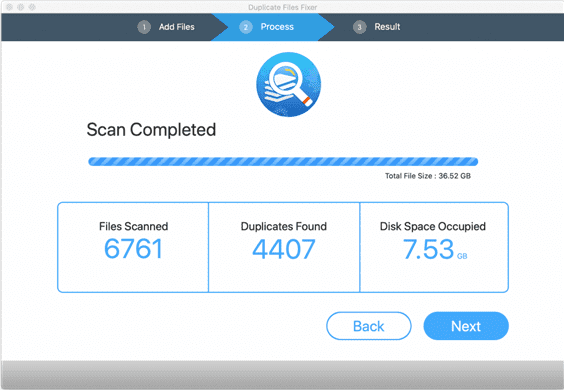
- Remove duplicate records
- Standardize data formats
- Validate data accuracy
- Archive irrelevant data
Cloud performance relies on clean data.
Step 7: Choose the Right Tools and Technologies
The right choice of tools can ease the migration.
Popular Tools:
- AWS Database Migration Service
- Azure Migrate
- Google Cloud Data Transfer
These tools make it easy to automate processes and limit manual errors.
Step 8: Perform a Pilot Migration
Pilot test before full-scale migration
Benefits:
- Identify potential issues
- Test performance and security
- Validate data integrity
Use non-critical data to envisage a pipeline to mitigate risks
Step 9: Execute Full Migration
Perform a full migration once testing has been successful.
Best Practices:
- Migrate in phases
- Monitor system performance
- Ensure backup and recovery mechanisms
- Maintain communication with stakeholders
Schedule migrations during off-peak hours to minimize downtime.
Step 10: Validate and Optimize
Validate data and optimize performance post migration.
Key Checks:
- Data accuracy and completeness
- Application functionality
- Security configurations
- System performance
Optimization guarantees that you reap the maximum rewards of cloud adoption.
Step 11: Train Your Team
Cloud migration is not merely a technical transition; it’s a culture change.
Focus Areas:
- Cloud platform training
- Security best practices
- Data management workflows
Long-term, the success of a well-trained team.
Step 12: Continuous Monitoring and Improvement
Migration is not the end of a solution — it is the beginning of an iterative improvement process.
Ongoing Activities:
- Monitor system performance
- Update security protocols
- Optimize costs
- Scale resources as needed
Role of Cloud Migration in eCommerce and Fintech
Over the past few years, industries beyond traditional finance have been transformed through cloud migration.
For instance, eCommerce platforms working with stuff like an Auction module, Prestashop, are dependent on cloud infrastructure to:
- Handle high traffic volumes
- Enable real-time bidding systems
- Ensure secure transactions
- Deliver seamless user experiences
This underscores how cloud migration fuels innovation across sectors.
Best Practices for Successful Migration
Start Small
Start with less-critical systems and scale up.
Prioritize Security
Always adopt a security-first approach.
Use Automation
This minimizes errors and accelerates migrations.
Maintain Backups
Always have a rollback plan.
Collaborate Across Teams
Make sure that IT, security, and business teams are aligned.
Common Mistakes to Avoid
- Skipping proper planning
- Ignoring compliance requirements
- Underestimating data complexity
- Not testing thoroughly
- Failing to train staff
By avoiding these blunders, you can save time, money, and resources.
Future Trends in Cloud Migration (2026 and Beyond)
AI-Driven Migration
Data mapping and error detection are being automated with AI tools.
Serverless Architectures
Reducing infrastructure management complexity.
Multi-Cloud Strategies
Employing a multi-provider strategy for flexibility and risk mitigation
Enhanced Security Protocols
Advanced encryption and zero-trust architectures.
Real-Time Data Processing
Enabling instant insights and decision-making.
Final Thoughts
The migration of legacy financial data into the cloud is a complex yet rewarding endeavor. Organizations can achieve unprecedented levels of efficiency, security, and innovation where there is a strategy, tools, and expertise in place.
Cloud migration is your answer to being ahead of the curve, whether you are a financial institution modernizing your infrastructure or an eCommerce business using tools such as an Auction module Prestashop, because by 2026 and onwards, no one will have anything else!
This 5-step guide will help to reduce risks, achieve compliance, and facilitate a smooth transition to the cloud.