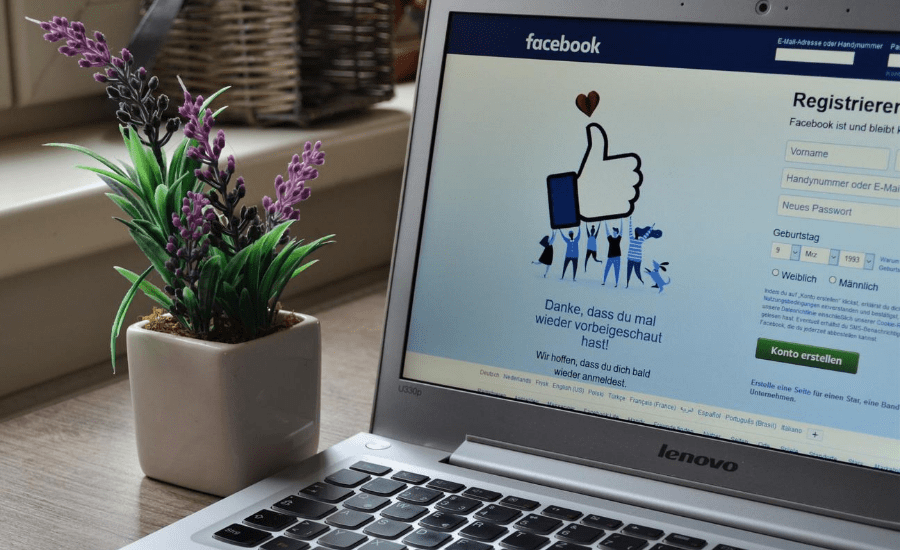
Facebook in 2026 is a paradox: the largest social platform on earth, with around three billion people using Meta's apps, and yet the hardest major network to reach organically on. An unamplified Page post now commonly lands in front of low single-digit percentages of its followers. That is not a reason to leave; it is a reason to aim at the parts of Facebook that still distribute — Reels, Groups, Marketplace and conversation-driving posts. Here are the five ways that work, with the old bad advice (yes, including buying followers) retired.
Quick Answer: Build a Facebook presence in 2026 through: native Reels (the format the feed still pushes), a Group attached to your Page (community posts get real distribution), Marketplace and Shops for commerce, posts engineered to start conversations, and small paid boosts applied only to posts that already prove themselves organically.
1. Post Reels natively — the reach that still exists
Facebook's video pivot is complete: the feed is anchored by Reels and AI-recommended content, which means short vertical video is the one format where a Page with modest followers can reach total strangers. The practice that works: upload vertical video directly to Facebook (not links to other platforms), hold the first two seconds, put captions on screen for sound-off viewers, and let topics — not follower count — carry distribution. Behind-the-scenes clips, quick how-tos, and before/after transformations consistently outperform polished brand ads in this format.
2. Build a Group, not just a Page
Pages broadcast; Groups gather, and Facebook still gives Group activity generous distribution because active communities keep people on the platform. The pattern that works for a small business: a Page as the public identity, plus a Group (customer club, local community, topic hub) where questions get answered daily. Members see Group posts in notifications in a way no Page post achieves anymore. A 2,000-member engaged Group reliably outperforms a 50,000-follower Page for actual sales conversations.
3. Sell where Facebook already has buyers
Marketplace grew from classifieds section to a primary shopping surface, and Meta's Shops let a catalog live inside Facebook and Instagram together. For product businesses, listing core inventory on Marketplace costs nothing and puts products in front of local buyers with purchase intent — the closest thing to free distribution Facebook offers in 2026. Keep listings fresh; the ranking rewards recent activity, and the messaging-first sale (everything happens in Messenger) suits small merchants who answer their phones anyway.
4. Write posts that start conversations
The feed's ranking systems reward posts that earn replies, shares and saves, and punish silent engagement tricks. Practical translation: end posts with a question people can answer from experience, reply to every early comment (the first hour matters most), and skip the automated "comment YES for the link" bait — the systems downrank it and audiences recognize it instantly. Text-plus-image posts still work when the text says something worth disagreeing with or learning from; the funeral for text posts was called too early.
5. Measure in Insights, then boost the winners
Facebook's own Insights tell you which posts earned shares and saves organically — and that is your ad brief. The efficient paid strategy for a small budget is not "boost everything"; it is putting $20-50 behind the posts that already demonstrate reach, targeted at lookalikes of people who engaged. Sprout Social's Facebook marketing strategy guide is a good deeper reference for structuring the paid-organic split. One deeper option has matured since 2022: Meta Verified for business adds a badge and support tier; it is optional and worth evaluating only after the organic fundamentals above are running.
What to stop doing (or never start)
Two pieces of advice from the 2022 era deserve a direct retirement. Buying followers or likes — the vendor links peddling them recycle bot accounts that suppress your reach and poison your audience data, and Meta purges them in waves. Every serious marketer's answer is no. And posting links with no native content — outbound links in the post itself reach a fraction of what the same content reaches when uploaded natively; put the video on Facebook, then drop the link in the comments if you must.
FAQ
Is a Facebook Page still worth maintaining in 2026?
Yes, as identity infrastructure: the Page is what people find when they search your business, what Marketplace and Shops anchor to, and where reviews live — even if organic reach alone would not justify it. Treat it as the storefront, Reels and Groups as the foot traffic.
How often should a small business post on Facebook?
Three to five quality posts a week, with at least one Reel, plus daily presence in your Group if you run one. Below that, the algorithm loses the habit of distributing you; above it, quality drops and audiences mute the Page.
Do hashtags work on Facebook?
Barely. Facebook search does index hashtags and keywords, but discovery runs on recommendations and shares, not tag surfing the way Instagram's did. One or two topical tags are harmless; hashtag walls are noise.
What content gets the most reach on Facebook now?
Short vertical video (Reels) leads for strangers-who-don't-follow-you reach, followed by posts that generate comment threads among people who already do. Shared-into-Messenger content is the sleeper metric — shares to private chats weight heavily in distribution.
Is Facebook ads' cost still rising?
Ad prices have climbed steadily as organic reach fell, which is exactly why the boost-the-proven-post approach matters: you pay to amplify what already earned attention rather than gambling on cold creative. Start small, read the results, and scale only what converts.
For the platform-agnostic version of this playbook, see how to improve your social presence overall, and for the wider marketing stack, our 2022-era marketing strategy guide holds up as the framework — the trends column inside it is what aged.