

For years, compliance was viewed as a painful requirement that companies dealt with only when customers demanded it. Most startups approached security audits with spreadsheets, screenshots, scattered policies, and last minute preparation. Compliance often existed outside regular business operations, making it slow, manual, and difficult to maintain.
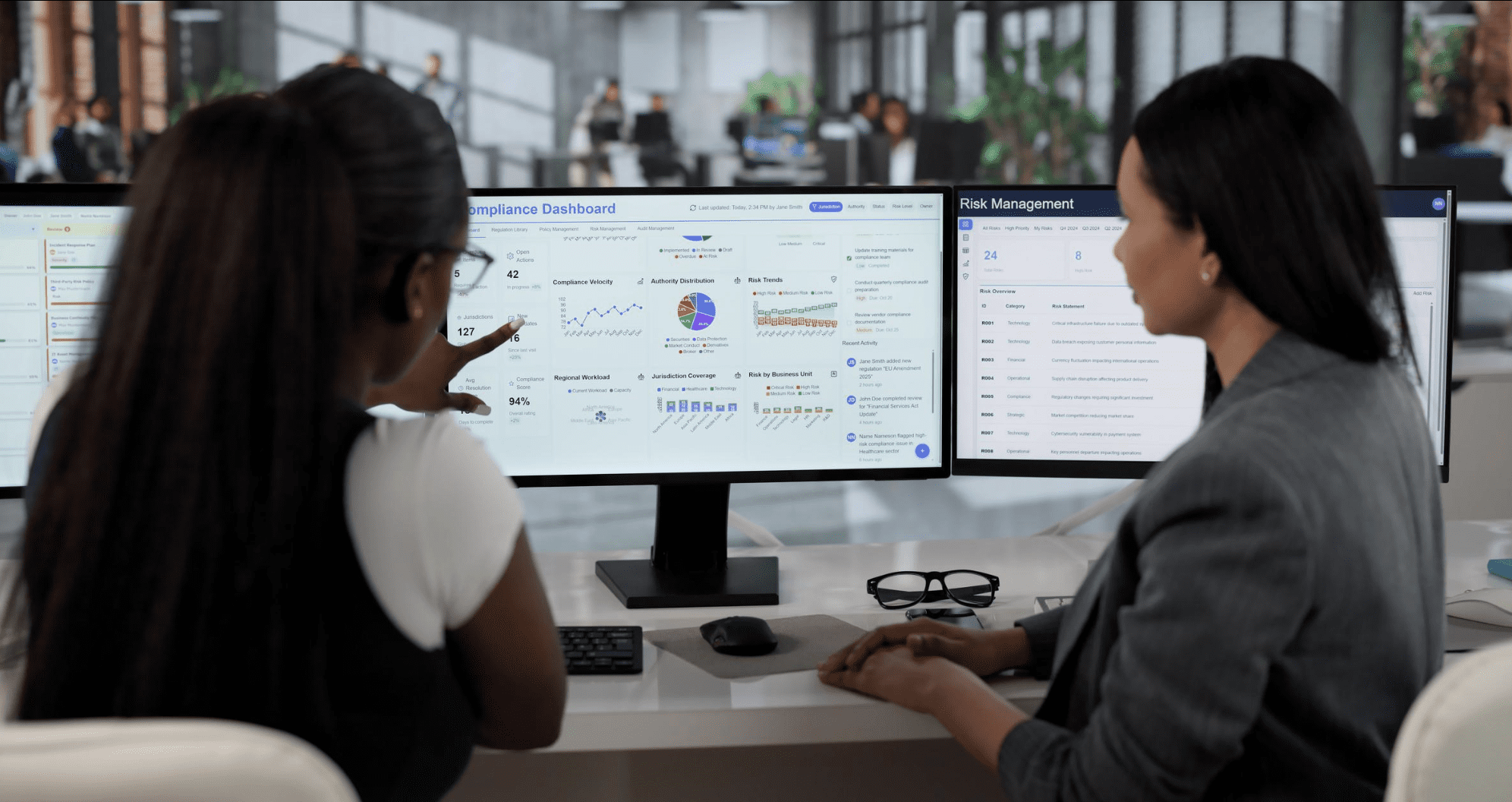
That mindset is rapidly changing.
As modern technology stacks evolve, security and compliance are becoming naturally embedded into everyday workflows. Cloud infrastructure, automation tools, identity systems, and monitoring platforms are making compliance more operational instead of purely documentation-driven. Frameworks like SOC 2 compliance are now pushing organizations toward building structured and repeatable security processes from the beginning.
The Shift From Reactive Compliance to Continuous Security
Traditional compliance processes were largely reactive. Teams prepared for audits once or twice a year and spent weeks gathering evidence manually. Engineering, HR, IT, and leadership teams often had to pause their regular work just to satisfy audit requirements.
Today, companies are increasingly moving toward continuous compliance models where security controls operate throughout the year.
For example:
- Access approvals can automatically align with employee onboarding and offboarding
- Pull request reviews can support change management requirements
- Infrastructure monitoring tools can continuously track security configurations
- Cloud logging systems can help maintain audit trails automatically
- Device management platforms can enforce security policies without manual intervention
Instead of chasing evidence manually, organizations can now integrate controls directly into operational systems.
Why SaaS Companies Are Adopting Integrated Compliance Faster
SaaS businesses move quickly. Engineering teams deploy multiple times a day, infrastructure scales dynamically, and employees often work remotely across different locations. Without structured governance, security practices can become inconsistent very quickly.
This is where frameworks like SOC 2 compliance become important. The framework encourages organizations to build reliable internal processes around security, access management, monitoring, vendor management, and incident response.
More importantly, modern compliance tooling allows many of these processes to integrate directly with systems companies already use every day.
Git platforms can provide development evidence. Cloud providers can feed infrastructure data. HR systems can support access lifecycle management. Ticketing systems can maintain approval workflows. The result is a compliance process that becomes far less disruptive.
Automation Is Reducing Operational Burden
One of the biggest changes in the compliance industry is the rise of automation.
Previously, preparing for audits required significant manual effort from internal teams. Today, businesses are increasingly connecting cloud platforms, ticketing systems, identity providers, and collaboration tools into centralized compliance workflows.
This helps organizations:
- Reduce repetitive manual tasks
- Improve audit readiness
- Maintain better visibility across systems
- Detect issues earlier
- Standardize security processes
Automation also improves consistency. Human error is often one of the biggest gaps in security operations. Integrated systems reduce the dependency on individuals remembering every process manually.
Compliance Is Becoming a Business Enabler
Compliance is no longer viewed only as a customer requirement. It is becoming a trust signal for companies looking to grow into enterprise markets.
Organizations with mature security and governance practices often close deals faster because customers gain confidence in their operational maturity. Investors, partners, and procurement teams increasingly expect companies to demonstrate structured security programs early in their growth journey.
This shift means compliance is evolving from a cost center into a business enabler.
Companies that build integrated security processes early are usually better prepared to scale efficiently without rebuilding operational practices later.
The Future of Compliance Will Be More Intelligent
The next evolution of compliance will likely involve AI driven monitoring and proactive governance.
Instead of simply collecting evidence, systems may soon identify missing controls, recommend remediation actions, flag policy gaps, and continuously monitor risks automatically. Businesses will spend less time managing spreadsheets and more time improving actual security posture.
Human expertise will still remain critical, especially for governance, risk decisions, and security strategy. However, technology will continue reducing the operational complexity around maintaining compliance programs.
Final Thoughts
Security and compliance are becoming deeply integrated into how modern companies operate. As infrastructure, automation, and monitoring technologies continue to mature, compliance frameworks are becoming less disruptive and more operationally efficient.
Organizations that embrace this shift early will not only improve their security posture but also build stronger trust with customers, partners, and investors.
In the coming years, seamless compliance will likely become a standard part of building and scaling technology companies rather than an isolated project handled only during audit season.