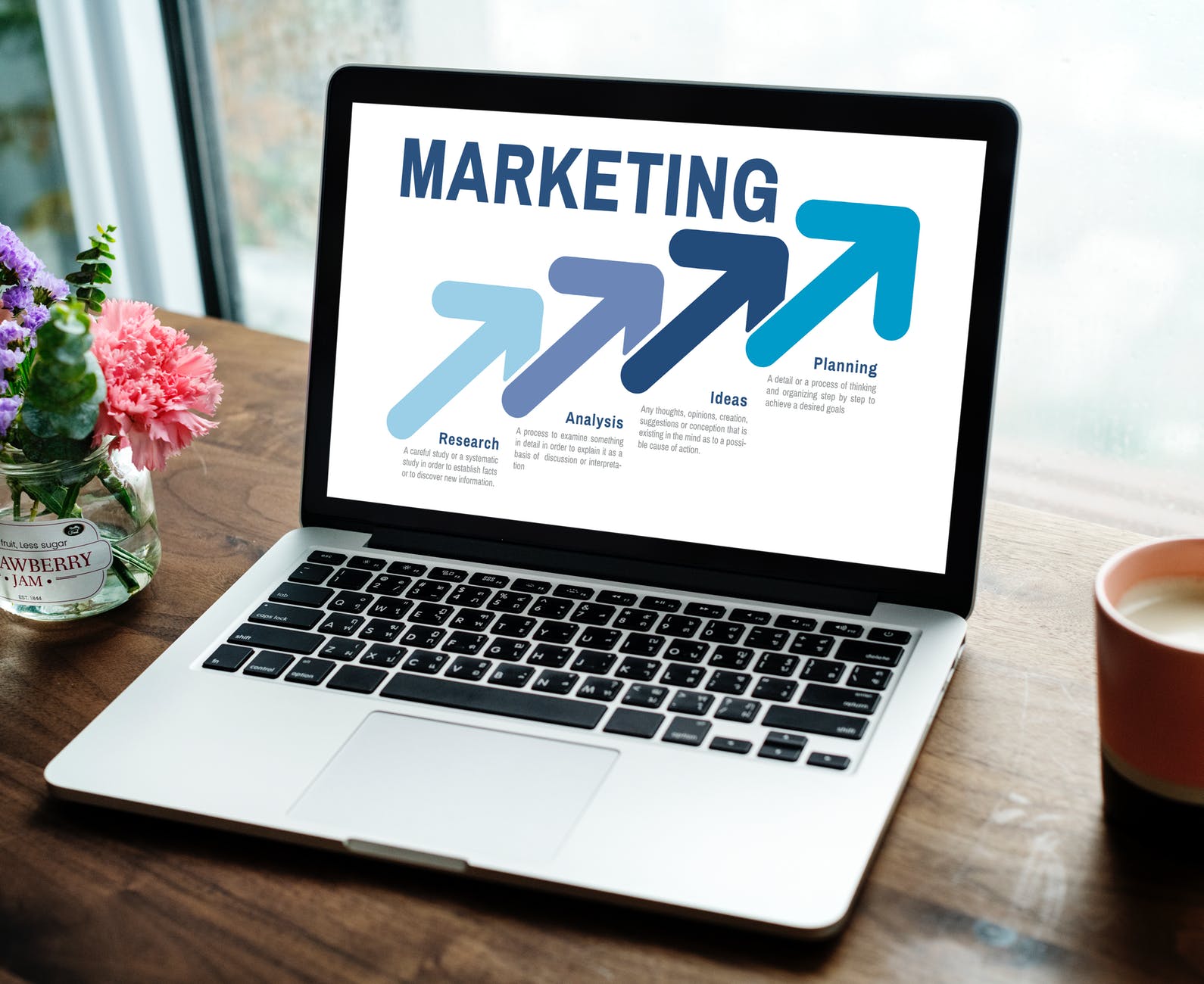


For a small e-commerce business, growth rarely comes from a single marketing channel. A polished store may still struggle to attract visitors, while a steady stream of traffic may not convert if product pages lack useful information or trust signals. A practical digital growth plan connects search visibility, helpful content, and a consistent customer experience, then uses performance data to decide what to improve next.
Start with a clear baseline
Before changing a website or launching a campaign, establish what is happening now. Review organic visits, search queries, product-page engagement, conversion rates, and the proportion of new and returning customers. Analytics tools can show where visitors enter and leave, while search performance reports reveal which pages are already earning impressions.
Look beyond overall traffic. A growing number of visits is not necessarily useful if visitors are searching for something the store does not sell. Compare performance by product category, landing page, and device. A mobile checkout that creates friction, for example, may be a more urgent issue than a low-traffic blog post.
Find search opportunities competitors have proved
Competitor research can help a business discover topics and websites it might otherwise overlook. The aim is not to copy another store’s backlink profile or reproduce its content. Instead, examine why a competing page earns attention: does it answer a detailed buyer question, provide an original comparison, or offer a useful resource that other sites cite?
A structured competitor link-building analysis can reveal websites linking to rival pages, the content those links support, and gaps worth investigating. Prioritise prospects by relevance and likely value rather than by list size. A mention from a trusted industry publication or a specialist resource may be more meaningful than many links from unrelated sites.
Turn the findings into a manageable plan. Record the target page, the referring site, why a link could make sense, and the next action. Possible actions include pitching an expert contribution, offering a useful data point, improving a resource that is incomplete, or asking a partner to link to a relevant guide. Outreach should explain the value to the publisher’s audience, not just request a ranking boost.
Make the landing page worth visiting
Links and search rankings can bring people to a page, but the page itself must meet their expectations. Use a clear heading, accurate product details, transparent delivery and returns information, and strong images. Explain what makes a product distinct with specific evidence, such as materials, dimensions, compatibility, or care instructions. Avoid generic claims that could describe any item in the category.
Technical performance matters too. Check page speed, mobile usability, broken links, duplicate descriptions, and indexing settings. A simple navigation structure helps visitors and search engines understand how products relate to categories. Structured data may also help search engines interpret product details, though it should accurately reflect information visible on the page.
Use video to explain, not just decorate
Short videos can demonstrate how a product works, show its scale, answer common questions, or introduce the people behind a business. They are most useful when they solve a specific customer problem. Before recording, decide where the video will appear and what viewers should understand or do after watching it.
Good video scripting for business starts with that purpose: outline the key message, keep the language conversational, and plan a concise opening that tells viewers why the information matters. Production does not always require a studio team. Osdire’s guide to making business videos on a budget discusses setting goals, choosing practical tools, editing efficiently, and reusing finished footage. A small business can also hire freelance help for tasks such as editing, animation, or graphic design when an in-house skill is missing.
Repurposing makes a modest production effort go further. A product demonstration can become a short social clip, a section on a product page, or material for a customer email. Adapt the format and length for each channel, and add captions so the main points remain accessible when sound is off.
Measure the work and refine it
Set a small number of measures for each activity. For search work, track relevant organic visits, rankings for priority queries, and qualified referral traffic. For video, look at watch time, completion, clicks to product pages, or changes in customer questions. For e-commerce pages, monitor add-to-cart and checkout completion alongside revenue.
Give changes enough time to produce useful evidence, but do not treat every result as a win. If a page receives more visits without more product interest, revisit its search intent and content. If a video attracts views but no meaningful engagement, revise its opening or placement. Keep notes about what changed so results can be interpreted rather than guessed at.
Build a repeatable workflow
Small businesses do not need to pursue every channel at once. Choose a few high-priority pages, improve their usefulness, identify credible link opportunities, and create content that answers real buyer questions. Review progress regularly and use the findings to select the next task. This steady cycle—research, improve, publish, and measure—can make digital growth more sustainable than isolated campaigns, while keeping effort focused on the customers most likely to value the business.