

That red badge has appeared again: “iPhone Storage Almost Full.” And like most people, your first thought is that you’ll have to delete photos you actually care about. You almost never do. In most cases there are multiple gigabytes of reclaimable space hiding in places the Photos app never touches — message attachments, stale app data, an overflowing “Recently Deleted” album, and the mysterious blob iOS calls System Data.
Quick answer: start at Settings → General → iPhone Storage and work through the recommendations iOS writes for you at the top of that screen — they routinely free 2–10 GB on their own. Then empty Recently Deleted, turn on Offload Unused Apps, and let Photos’ built-in Optimize Storage shrink your library without removing a single picture. Only after that should you consider deleting anything you’d miss.

First, read the storage screen properly
Open Settings → General → iPhone Storage and wait — the bar chart takes a few seconds to calculate. (Apple explains what each category means in how to check the storage on your iPhone.) This one screen answers three questions: how much is really free, which categories are eating the most (Photos, Apps, Media, Mail, System Data), and — right at the top — a list of personalized recommendations like “Review Large Attachments” or “Empty Recently Deleted” with an estimate of the space each will free. Apple’s official storage management guide covers this screen in detail; tap every recommendation before you do anything manual.
Quick wins: 5 minutes, several gigabytes
- Empty “Recently Deleted.” Deleted photos sit in this album for 30 days, still occupying storage. In Photos: Albums → Utilities → Recently Deleted → Select → Delete All.
- Review Large Attachments. From the storage screen, tap the “Review Large Attachments” recommendation (or Settings → General → iPhone Storage → Messages → Review Large Attachments). Old videos sent over iMessage are a top hidden space-eater. Anything you delete here only removes it from your device’s storage of the conversation — check whether it matters to you first.
- Turn on Offload Unused Apps. Settings → General → iPhone Storage → Enable. iOS removes apps you haven’t opened in a while but keeps their documents and data, and reinstalls them automatically when you tap the icon again — no lost logins or game saves. If you’d rather decide manually, tap any app on the storage list and choose Offload App.
- Audit downloads and offline media. Spotify playlists, Netflix downloads, podcast back-catalogues and Files-app downloads pile up quietly. Each app’s entry on the storage screen shows its size; open the app and clear what you no longer need offline.
- Restart the phone. A plain restart clears temp files and often returns a chunk of “System Data” — worth doing before and after your cleanup so the numbers reflect reality.
Free up photo space without losing a single picture
1. Turn on Optimize iPhone Storage
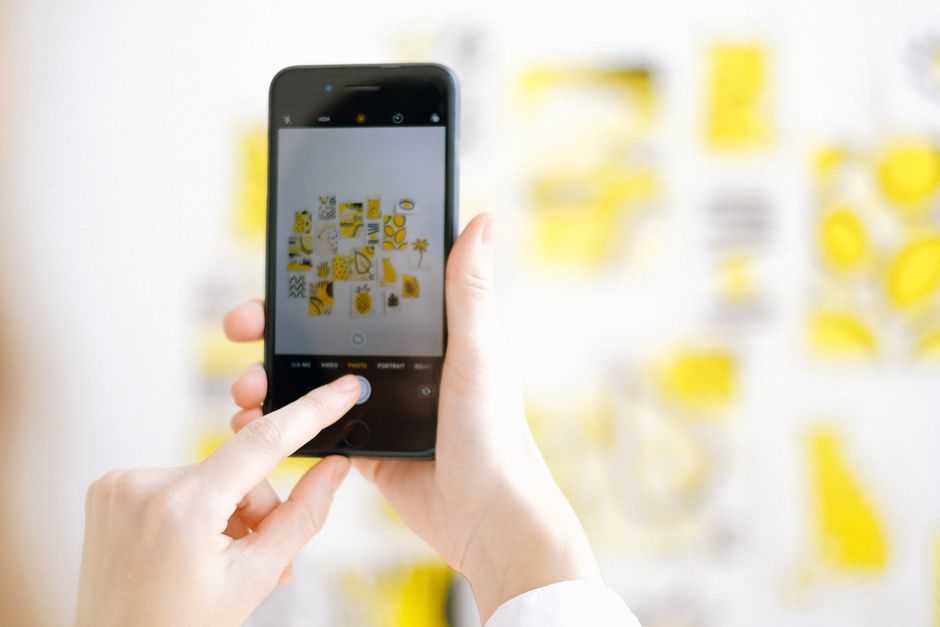
With iCloud Photos enabled, go to Settings → Photos and choose Optimize iPhone Storage. Full-resolution originals are kept in iCloud; your iPhone keeps space-efficient versions and re-downloads the full file whenever you need it. Nothing is deleted — a 40 GB library can shrink to a fraction of that on-device. The catch is honest and worth stating plainly: this needs iCloud space, and if your free 5 GB is already full, the originals will push you toward a paid tier. If you’d rather not, the next two options keep everything on services you already use.
2. Let Photos delete your duplicates for you
Since iOS 16, Photos detects copies automatically: Albums → Utilities → Duplicates → Merge. Merging keeps the highest-quality version and combines the metadata — bursts, screenshots re-saved from messaging apps, and twice-imported holiday sets are typically worth 1–5 GB. We’ve covered the broader duplicate-photo problem (including why phones create them) in our guide to stopping duplicate photos.
3. Move the full library somewhere else
If iCloud isn’t your thing, export the originals to a computer or a different cloud: a Mac/PC import via cable is fastest for big libraries (see how to export photos and videos from iPhone to Mac or PC), and Google Photos works well as a free-ish alternative — our walkthrough of moving photos from iCloud to Google Photos covers the whole migration. After the export verifies, delete from the device and empty Recently Deleted.
The “System Data” mystery (and what actually shrinks it)
Gray, unlabeled, sometimes 10–30 GB: System Data holds caches, logs, Siri voices, offline translation files, and assorted housekeeping. It grows quietly and — this is the part nobody likes — iOS manages it itself; there is no supported “clear System Data” button. What genuinely helps:
- Restart the iPhone (clears temp caches).
- Install the current iOS update — storage accounting glitches after half-installed updates are a known cause of phantom bloat.
- Clear Safari’s cache (Settings → Apps → Safari → Clear History and Website Data).
- Delete and reinstall cache-heavy apps (Podcasts, Music, social apps) — offloading alone doesn’t clear their caches.
- Last resort: back up, erase, and restore the iPhone. A fresh restore typically rebuilds System Data at a fraction of its old size. It’s a couple of hours, not dangerous, and it works — just make the backup first. If you go this route, our guide to recovering deleted photos is worth a read beforehand for peace of mind on what survives restores.
A word of warning: avoid “iPhone cleaner” apps promising to nuke System Data. They can’t touch the system partition; the best ones duplicate Photos’ built-in duplicate finder, and the worst ones are subscription traps. If you deleted everything visible and the storage bar still hasn’t moved, restart first — iOS recalculates storage lazily, and numbers often drop by gigabytes within a day with no further action.
What’s worth deleting, ranked by payoff
| Target | Typical recovery | Effort |
|---|---|---|
| Recently Deleted album | 0.5–5 GB | 10 seconds |
| Message attachments (Review Large Attachments) | 1–10 GB | 2 minutes |
| Offloaded unused apps | 1–8 GB | 1 minute |
| Photo duplicates (Merge) | 1–5 GB | 1 minute |
| Offline music/video downloads | 1–20 GB | 5 minutes |
| Optimize iPhone Storage | Varies with library size | 30 seconds |
| Backup-erase-restore (System Data) | 5–25 GB | ~2 hours |
Frequently asked questions
I deleted tons of photos but storage still shows full. Why?
Three usual reasons: they’re still in Recently Deleted (30-day grace period), iOS hasn’t recalculated yet (restart and give it a few hours), or the space is genuinely consumed by System Data rather than photos — see the section above.
Is Optimize iPhone Storage safe for my photos?
Yes. Every original stays in iCloud Photos, and any device with enough space keeps originals by default. The iPhone only swaps in compact versions and re-downloads the full file on demand. The real question is whether you have enough iCloud space for the originals.
Does buying more iCloud storage free iPhone space?
Indirectly. The extra iCloud space is what makes Optimize iPhone Storage viable on a big library — that’s what frees the device space. Buying storage alone, without enabling anything, changes nothing.
Do cleaner apps actually work?
Mostly no. They can find duplicate photos (which iOS already does natively) but cannot clear System Data or app caches Apple restricts. Free manual methods above achieve everything they can, without subscriptions or privacy trade-offs.
Why does System Data keep growing back?
Because it caches things you use: streaming, browsing, messaging, Siri. Normal sizes run 5–15 GB; if it balloons past that repeatedly, the erase-and-restore route is the only real reset, and an Apple Support visit is worthwhile if it regrows absurdly fast afterward.
The bottom line
Work the storage screen’s own recommendations first, empty Recently Deleted, offload instead of deleting apps, and use Photos’ Optimize and Merge features — in that order. That sequence frees more space than most people ever need, and the photo library comes through it complete. Keep at least 1–2 GB free afterward; iPhones behave noticeably better with breathing room, and the “almost full” warning stays gone.