

Mobile gambling looks very different across the United States in 2026, with Android now sitting at the center of that transformation. If you regularly use casino apps on your phone, you probably notice how much more demanding the experience feels compared with a few years ago. Today, players expect instant loading times, smooth gameplay, stable streaming, fast withdrawals and responsive navigation every single session.
Casino operators once treated Android support as a secondary concern, but that strategy faded quickly as mobile gaming exploded across every major demographic. Industry reports from last year showed Android accounted for roughly 80% of global mobile gaming installs, which highlights how dominant the platform became across the broader gaming market.
Current mobile gaming data also shows mobile titles generated more than $82 billion globally during 2025, so online casinos like Jackpot City now devote enormous resources toward app speed, battery efficiency, security and payment performance.
Android fragmentation changed casino development
The Android ecosystem creates a unique challenge for developers, while online casinos face far more technical variation than companies building exclusively for Apple devices. Android apps must perform smoothly across thousands of screen sizes, processors, software versions, network conditions and hardware capabilities.
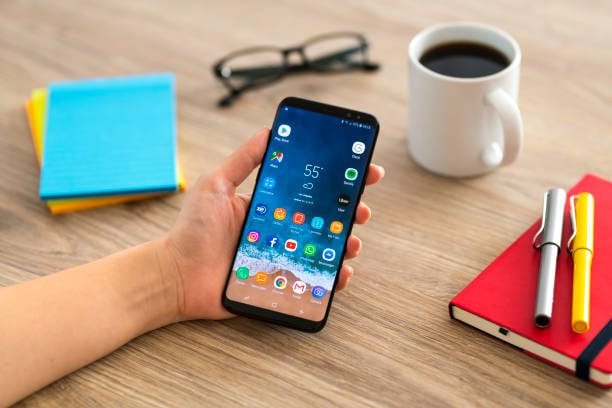
A casino app could work perfectly on a new Samsung Galaxy device, while struggling badly on an older Motorola phone with limited memory capacity. If you use older Android hardware yourself, you already know how quickly poorly optimized apps become frustrating during mobile gaming sessions. Developers thus spend huge amounts of time refining graphics performance, reducing app size, improving touch responsiveness and stabilizing gameplay across weaker connections.
You can also see how quickly frustration builds when an app freezes during a live blackjack hand or crashes halfway through a withdrawal request. Most users simply leave the platform within minutes, particularly when competing casino apps sit one tap away inside Google Play. Operators understand this behavior extremely well, so technical performance now influences customer retention just as strongly as promotions or bonuses.
Platforms like Jackpot City increasingly compete through reliability, while players continue rewarding apps that feel smooth and stable across different devices. That shift pushed Android optimization into a much larger commercial conversation throughout the entire online gambling industry.
Mobile habits now revolve around smartphones
You can also see how user behavior changed over the past several years, while casino gaming increasingly revolves around quick mobile sessions throughout the day. Many players open apps during lunch breaks, public transport commutes, sporting events or short downtime periods at home. Desktop gambling still exists, but smartphones now dominate online casino traffic across regulated American states.
Industry revenue reports from 2025 showed more than 70% of online gambling activity happened through mobile devices, which demonstrates how central smartphone gaming became to modern casino operations. If you gamble online at platforms like Jackpot City regularly, your phone probably functions as the main gateway into casino apps, loyalty systems, payment tools and live dealer tables.
Meanwhile, Android remains pertinent within that shift due to its enormous market share across the United States and globally. StatCounter data from early 2026 showed Android held roughly 70.6% of the global mobile operating system market, which explains why casino operators continue prioritizing Android performance and compatibility. Platforms like Jackpot City understand mobile users expect speed, convenience and simplicity every single time they open an app, so optimization now affects nearly every commercial decision across the industry.
You can already see this through faster login systems, lightweight interfaces, biometric authentication tools and streamlined navigation menus built specifically for Android users. Operators recognize that modern players expect apps to feel immediate from the very first tap. Ultimately, that expectation keeps pushing developers toward faster loading speeds, reduced memory usage and smoother transitions across all parts of the casino experience.
Live dealer gaming raised expectations
Live dealer gaming created another major reason Android optimization became such a critical priority for online casino operators like Jackpot City. Modern casino apps stream high-definition blackjack, roulette, baccarat, poker and game show content directly onto mobile devices, while players expect smooth video quality alongside instant betting responsiveness.
Even small delays create frustration during live sessions where timing matters enormously. If you enjoy live casino games yourself, you probably notice how quickly buffering or lag disrupts the entire experience. Android fragmentation complicates that process substantially, as developers cannot assume every device handles video rendering equally well during long gaming sessions.
Casino operators therefore optimize streaming compression, adaptive resolution systems, frame rates and battery usage much more aggressively than they did a few years ago. Players now spend longer periods inside live casino sections, so app stability has become directly connected to overall engagement levels.
Jackpot City continues refining live casino performance across Android devices, while competitors increasingly follow the same strategy as streaming engagement becomes central to player retention throughout regulated U.S. markets. Looking forward, you can already see how closely casino apps compete around streaming quality as mobile gambling continues evolving across the American market.