

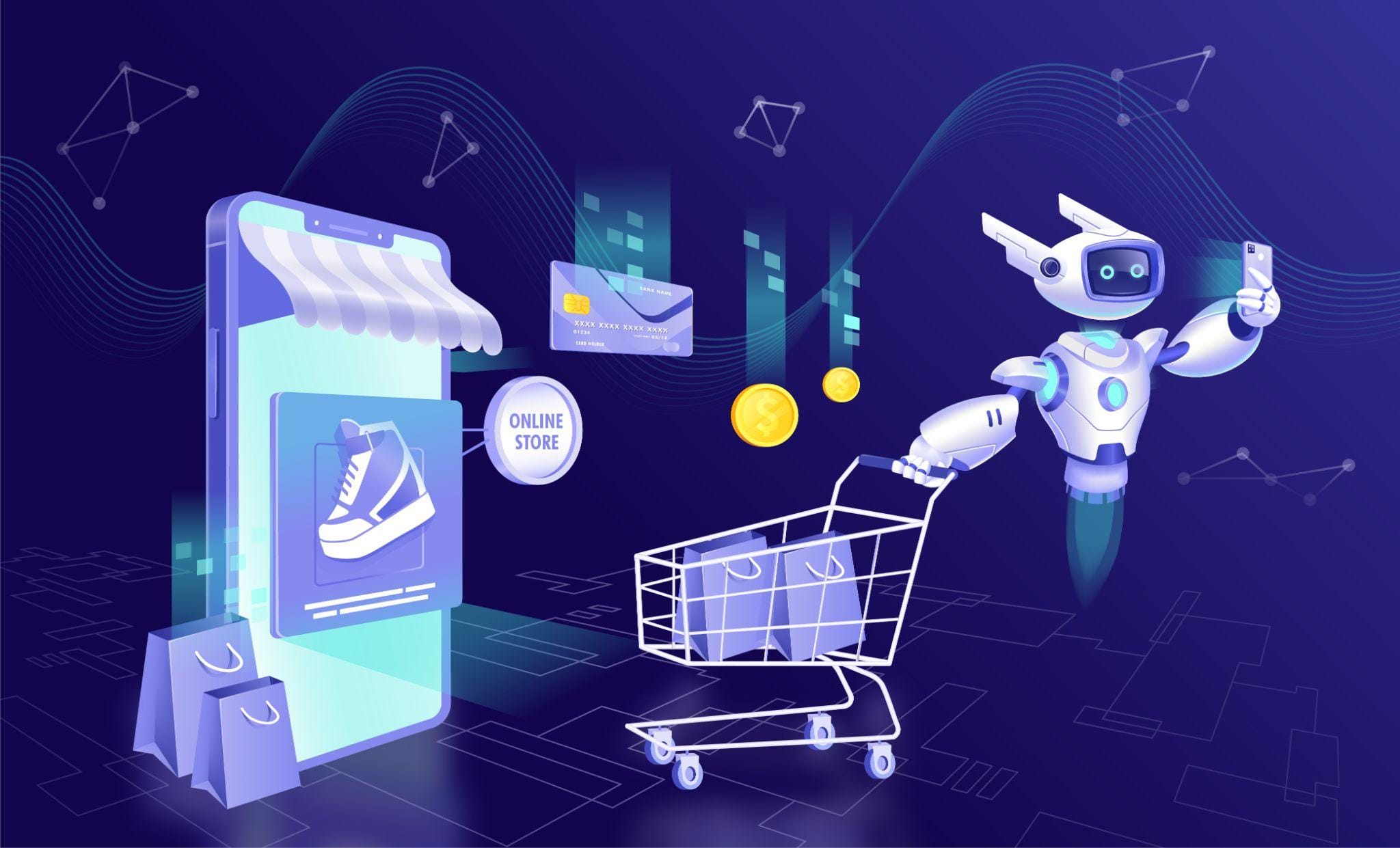
In 2026, the process of purchasing a smartphone is no longer baffling, time-consuming, and full of unlimited comparisons and unsure decisions. The consumer discovery, evaluation, and purchase process of smartphones has been entirely changed due to the high-speed development of artificial intelligence (AI).
Buyers no longer need to manually browse reviews, watch many videos, or compare specifications across dozens of tabs; they can use intelligent systems that know what they like and which proposals are the best. AI-based tools analyze user actions, budgets, usage trends, and even individual preferences to provide highly personalized recommendations.
AI is transforming the experience of purchasing a smartphone by making it smarter, quicker, and more effective through smart chatbots and virtual assistants, predictive pricing, and real-time review analysis. In this article, we will discuss how AI will transform the process of smartphone purchases in 2026 and what it will entail in the context of contemporary consumers.
Role of AI in Modern Smartphone Buying
In 2026, artificial intelligence will be a driving force behind the way consumers buy smartphones. Rather than using the type of recommendations offered in a generic manner, AI-based platforms are currently used to analyze user preferences, browsing history, budget, and usage history to provide very specific recommendations.
It implies that consumers do not have to go through a plethora of choices anymore, as AI does the groundwork, where options are reduced to only the ones that fit individual needs. AI also can allow real-time decision-making by constantly engaging in learning about interactions with users and market trends.
Be it suggestions on the most suitable camera phone to use in photography or suggestions on the best high-performance phone to use by gamers, AI can be relied on to make suggestions that are not only relevant but are also current. This has made the process of purchasing smartphones quicker, smarter, and more personalized than ever.
AI-Powered Personalized Recommendations
- AI examines user behavior in their search history, historical purchases, and browsing behavior in order to interpret preferences.
- It offers personalized recommendations on smartphones depending on a particular requirement, such as gaming, photography, business, or everyday use.
- When recommending devices, AI takes into account such important aspects as camera quality, battery life, performance, and budget.
- Users are offered more relevant options as opposed to having to search through hundreds of generic listings.
- Recommendation engines are constantly learning through user interaction and get more accurate as time progresses.
- It saves on the time taken to make decisions and makes the process of buying in general easier.
- Assists customers in making better and well-informed buying choices.
- Improves customer satisfaction by providing users with the most appropriate smartphones.
Benefits of AI in the Smartphone Buying Process
AI in smartphone buying is changing it into the fastest, most individualized one. It enables the user to find the most appropriate ones that suit him or her best based on his or her needs, avoids the confusion of having too many choices, and ensures a better value for money. Overall, AI will enhance the shopping experience. To make this happen, you can also take AI software development services.
1. Faster Decision-Making
AI is very time-saving when purchasing a smartphone since it can instantly calculate thousands of options and filter them according to the preferences of the user. The users need not waste time getting specifications and reviews, but receive quick, relevant suggestions. This is to remove redundant research and enable buyers to make decisions in just a few minutes. This translates into an efficient general purchasing experience.
2. Personalized Experience
AI offers an extremely individualized shopping experience with an understanding of individual needs, preferences, and behavior. It analyzes aspects such as browsing patterns, applications used, and spending to suggest the most appropriate smartphones. This will ensure that they will be offering devices that will fit their specific requirements and not generic devices. Personalization will increase satisfaction and the chances of making the right purchase.
3. Greater Quality at a Minor Cost
AI helps customers by providing the highest value to them by comparing prices, features, and user reviews on multiple platforms. It finds smartphones that have the appropriate balance of cost and performance, depending on the budget of the user. Moreover, AI is able to provide alternatives at a lower price with similar characteristics. This makes sure that the buyers make a cost-effective decision without affecting quality.
Challenges and Limitations of AI in Smartphone Buying
Despite the advantages, AI presents one of the challenges connected with data privacy and the overuse of automated recommendations. Algorithms may also be biased, and suggestions may be inaccurate at times. If you don’t want to face any challenge, then you should hire AI developers.
1. Privacy Concerns
The foundation of AI engines is that they assume they need user information in the form of browsing history, preferences, and use patterns to provide them with personalized recommendations. This leaves one wondering the degree of protection of such information and whether it is shared with third parties. Numerous users are growing more concerned with their online presence and privacy. To overcome this, businesses should be transparent and have high data security controls.
2. Over-Reliance on AI
Although AI makes the purchase process easier, overdependence on it may lead to a lack of the research and evaluation capabilities of a user. Users have the option to accept recommendations without doubting their authenticity or having alternatives. This can sometimes be translated to wasted opportunities or being less informed. It is more effective to have a compromise between AI knowledge and individual decisions.
3. Algorithm Bias
The AI algorithms are also trained against the available data; hence, they are also inclined to bias in recommendations. Certain brands or products could be trending, have affiliations, or information trends, yet not always be appropriate. This can limit the availability of the low-known and high-quality substitutes. As a way of trust, there should be fairness and transparency in AI models.
4. Accuracy Limitations
Even though AI is sophisticated, it does not necessarily know the user’s intent or preferences. Sometimes recommendations might not be as relevant as the user is interested in. Also, smartphone trends and new products can influence the precision of suggestions, as they may change rapidly. To make AI recommendations relevant and reliable, constant updates and enhancements are needed.
Conclusion
The process of the consumer purchasing a smartphone in 2026 will be radically altered by the use of artificial intelligence and will be made faster, smarter, and more personalized. Starting with customized suggestions and real-time comparisons to predictive pricing and virtual assistance, AI erases the complications that previously caused smartphone purchasing to be daunting. It enables the user to make wise decisions with minimal effort and better value for their money.
Nevertheless, issues such as the privacy of data, bias in algorithms, and excessive automation remain to be resolved. As AI continues to evolve, it will be more advanced and convenient in buying smartphones. After all, finding a perfect balance between AI-powered insights and human judgment will be the key to providing consumers today with a seamless and trustworthy buying experience. Get AI Integration Services to achieve all the benefits of AI in smartphone buying.