In late 2020, five e-wallet trends looked like the future of money: AI-powered wallets, crypto storage, voice payments, NFC everywhere and biometric security. Six years on, some of those waves turned into the tide and some quietly went out. This piece goes back through the original list and scores each trend on what actually happened, with the 2026 numbers to back it.
Quick Answer: Of the five big 2020 e-wallet trends, NFC tap-to-pay and biometric security became the default, crypto wallets tripled on stablecoins and ETFs, AI shifted from chatbots to fraud scoring, and smart-speaker voice payments fizzled as a transaction channel. Here is each trend scored on what actually happened by 2026.
Trend 1: AI-powered wallets – arrived, but not as chatbots
The 2020 version of this trend was all about chatbots handling payment conversations inside e-commerce apps. What actually shipped is more useful and less visible. Today AI in wallet apps works mostly on risk: every tap-to-pay and online checkout runs through models that score the transaction in milliseconds against your location, device and spending pattern, and flag anomalies before money moves. Card networks credit machine-learning scoring with meaningful drops in both fraud and false declines.
The 2026 frontier is agentic payments: letting a trusted AI agent complete a purchase on your behalf under strict spending rules. Card networks and Google have published protocols for exactly this, so an assistant could book and pay for your train ticket without holding your raw card number. It is early, but it is the direction the chatbot hype of 2020 was groping toward.
Trend 2: Crypto wallets – the user count tripled
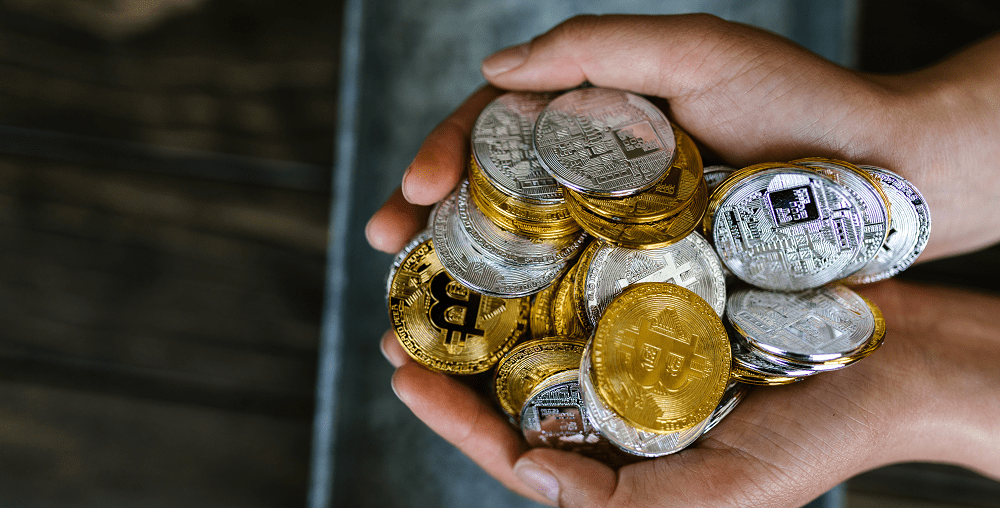
The original post cited Statista's estimate of about 54 million blockchain wallet users as of September 2020. Blockchain.com alone reported more than 90 million wallets created by early 2024, and cross-provider estimates now put global crypto wallet users somewhere above 400 million.
Two changes did the heavy lifting. Bitcoin and Ethereum ETFs (approved in the US in 2024) brought crypto into brokerage apps that look and feel like any other wallet. And stablecoins went legal-grade: the US GENIUS Act of July 2025 gave payment stablecoins a federal framework, which is why every major wallet from PayPal to Cash App now moves dollar-pegged tokens for actual purchases rather than just speculation. Hardware wallets such as Ledger and Trezor are still the security-conscious pick; software wallets carry the day-to-day volume.
Trend 3: Voice payments through smart speakers – the wave that fizzled
Credit where the original skepticism is due: the prediction that smart speakers would become a serious payments channel did not pan out. Buying things by talking to an Echo or Google Nest peaked as a novelty for reordering toilet paper and never grew into habit-forming commerce. Voice assistants pivoted to smart-home control, and the shopping features were quietly de-emphasized.
The lesson from the trend list is that convenience only converts when the user can see what is happening. A screen shows you the price before you commit; a speaker reading out a confirmation does not. Payments stayed visual.
Trend 4: NFC payments – from pandemic workaround to default
In 2020, contactless adoption was driven by fear of touching terminals. By 2026, NFC is simply how cards and phones pay: every iPhone and Android flagship carries a wallet, merchants in most countries changed their terminals, and the phone itself became the terminal with Tap to Pay on iPhone and equivalents on Android, letting a small vendor take contactless payments with no card machine at all.
The bigger global shift sits alongside NFC rather than inside it: India's UPI. The NPCI rail now clears over 23 billion transactions a month (23.66 billion in July 2026, worth about ₹29.9 trillion), built around QR codes and phone numbers rather than NFC hardware. Between them, tap-to-pay and UPI made the 2020 vision of a cashless checkout real for the two largest mobile markets on earth. If a UPI payment fails on you, the fix is usually a two-minute complaint flow, as covered in our guide to failed UPI transactions.
Trend 5: Biometric authentication – won, and grew a password-free successor
Fingerprint and face unlock were already common in 2020; the 2026 change is that biometrics became the keyring for everything, not just the phone lock screen. Wallet apps confirm high-value transfers with Face ID, EU rules treat strong customer authentication as standard, and palm-scanning has entered physical retail through Amazon One at hundreds of Whole Foods and stadium entrances.
The newer layer is passkeys, the FIDO-based replacement for passwords that ties login to the device's biometric check. Fintech apps were among the first to ship passkey support, and the industry direction is clear: your face or fingerprint unlocks a cryptographic key, and the password disappears from the payment chain entirely. For the practical checklist on keeping wallet apps locked down, see our digital payment app security practices and the payment security essentials for businesses.
What the six-year gap teaches
| 2020 trend | Verdict in 2026 |
|---|---|
| AI chatbots in wallets | Superseded: AI fraud scoring everywhere, agentic payments next |
| Crypto wallets | Tripled, mainstreamed by ETFs + stablecoin law |
| Smart-speaker payments | Fizzled; payments stayed visual |
| NFC contactless | Default worldwide; phone-as-terminal removed the card machine |
| Biometric authentication | Won; passkeys now extend it past the phone |
FAQ
Are e-wallets safer than physical cards now?
In most cases yes. Tokenization means the merchant never receives your actual card number, biometric checks gate high-value actions, and AI fraud models can freeze an anomalous transaction mid-flight. A stolen card can be tapped repeatedly until blocked; a stolen phone without your face or fingerprint is a brick as far as the wallet is concerned.
What happened to paying with smart speakers?
The channel never built a habit. Voice lacked the visual confirmation people want before spending, and the assistants refocused on smart-home control. Reordering consumables remained a niche use; the 2020-era growth predictions quietly disappeared from industry forecasts.
Which e-wallet trend should a small business watch next?
Agentic payments and stablecoin settlement. Agentic protocols will let customers' AI assistants buy within set limits, which changes checkout design. Stablecoin rails cut cross-border settlement from days to seconds at near-zero cost. Neither needs action today, but both are worth a pilot conversation with your payment provider.
Do I still need a hardware wallet for crypto?
Only if you hold meaningful amounts long-term. Exchange custody and mainstream fintech wallets cover convenience spending, but the industry maxim "not your keys, not your coins" still applies to savings. A hardware device such as Ledger or Trezor keeps the private keys offline, which matters more as wallet user counts grow and phishing scales with them.
Is UPI a type of e-wallet?
Not exactly. UPI is a bank-account-to-bank-account payment rail; wallet apps such as Paytm historically held prepaid balances. The lines have blurred since wallet-to-bank interoperability arrived, and UPI's 23-plus billion monthly transactions dwarf prepaid wallet volume. For users the experience is identical: scan, enter a PIN, done.
The pattern across all five trends: the waves that removed friction (tap, face, instant bank rails) compounded, and the waves that added a step (talking to a speaker) washed out. Watch whatever makes checkout one action shorter, and you will see the next list early.