


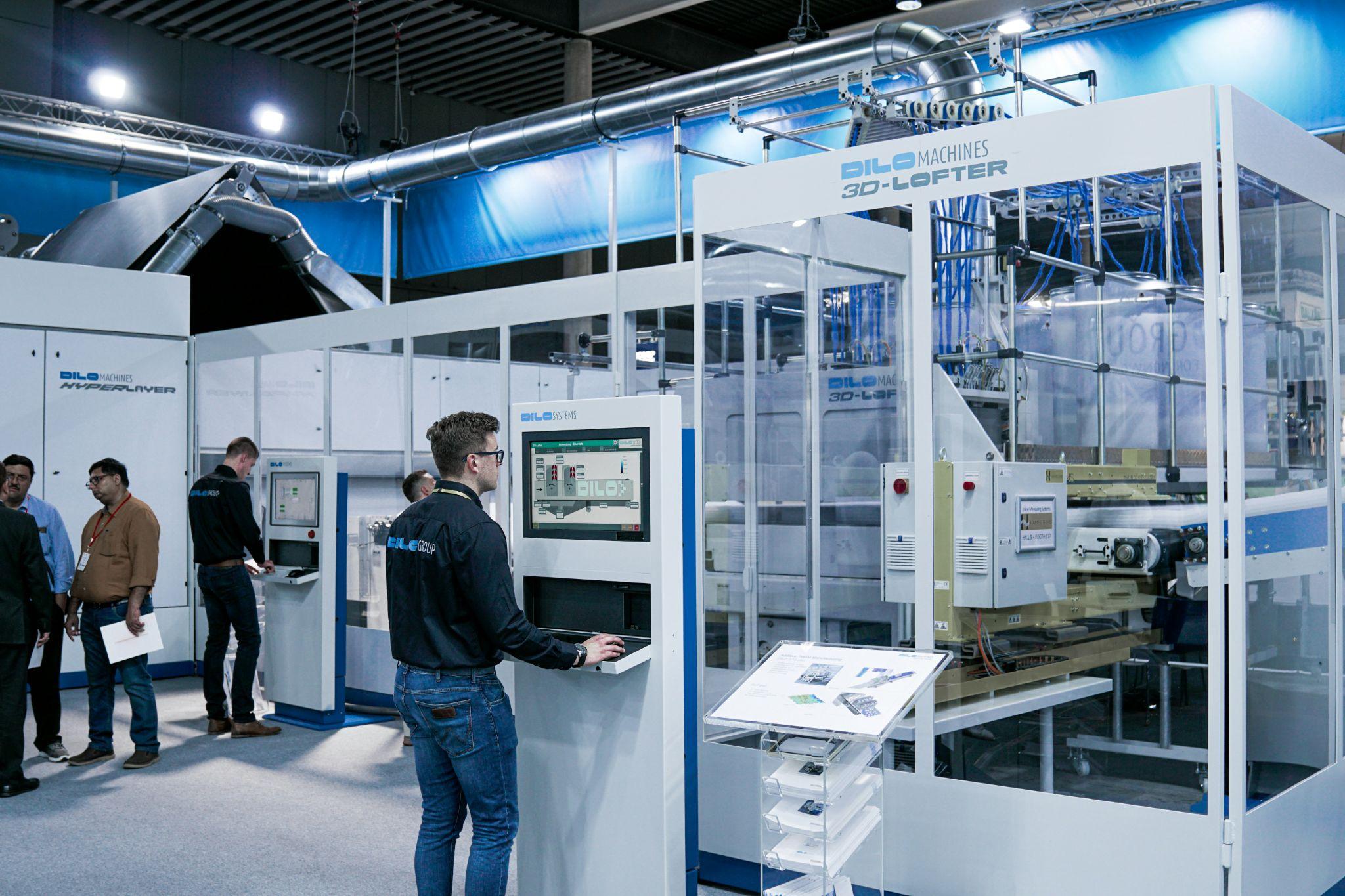
Photo: Jonas Morgner
For more than two decades, the manufacturing industry has pursued the vision of the paperless factory. Digital transformation promised connected systems, real-time information, and seamless communication between engineering, operations, and the factory floor.
Today, manufacturers are investing more than ever to make that vision a reality. According to Deloitte’s 2026 Manufacturing Industry Outlook, 80% of manufacturing executives are dedicating at least 20% of their operational improvement budgets to smart manufacturing initiatives such as data analytics, cloud technologies, and connected systems.
Yet on many production floors, the reality remains surprisingly familiar.
Operators still carry clipboards. Printed work instructions remain taped to assembly stations. Quality checks are recorded by hand before being entered into digital systems later.
The paperless factory didn’t fail because manufacturers lacked technology. It failed because digital transformation never fully reached the point where work actually happens.
Digital Transformation Stopped Short
Manufacturing has made enormous progress in digitizing engineering, planning, inventory management, and production scheduling. Enterprise Resource Planning (ERP), Manufacturing Execution Systems (MES), and Product Lifecycle Management (PLM) platforms have transformed how manufacturers manage products and operations behind the scenes.
But execution tells a different story.
Once engineering data reaches the shop floor, it is often translated into static documents, PDFs, spreadsheets, or printed instructions that workers must interpret and follow manually. The digital thread frequently ends before production begins.
The disconnect is becoming more visible as products evolve faster and manufacturing operations grow more complex.
Paper Isn’t the Problem. It’s the Workaround
Paper has survived for one simple reason: it is flexible.
When production changes unexpectedly, operators can write notes, supervisors can mark revisions, and teams can communicate immediately without waiting for software updates or IT support.
In contrast, many legacy manufacturing systems were designed for stable production environments where changes happened less frequently. Updating forms, modifying workflows, or capturing new information often requires technical resources, making even small adjustments slow and cumbersome.
As a result, workers frequently return to the simplest tool available.
Not because they prefer paper, but because it allows them to keep production moving.
The real problem is not the paper itself. It is the operational rigidity that makes paper feel like the easiest option.
The Hidden Cost of Rigid Systems
As manufacturing becomes more dynamic, that rigidity becomes increasingly expensive.
When work instructions are difficult to update, engineering changes can take longer to reach production. Different shifts may follow different procedures. Operators rely on personal experience to fill information gaps, introducing unnecessary variation into everyday work.
The consequences extend beyond documentation.
Inconsistent execution contributes to rework, quality defects, delayed production, and missed opportunities to improve processes. Valuable feedback from frontline workers is often lost because there is no simple way to capture it within existing systems.
Instead of creating a continuous flow of information between engineering and operations, manufacturers often manage disconnected islands of data that require constant manual coordination.
The Next Phase of Digital Manufacturing
Rather than replacing every enterprise platform, many manufacturers are now focusing on improving the last mile of execution.
The goal is not simply to digitize documents, but to make work itself more interactive, adaptable, and connected.
Companies like Canvas Envision, led by CEO Garth Coleman, are part of this shift by transforming engineering models into visual, interactive work instructions that stay aligned with product changes. Instead of relying on static documentation, workers receive guided workflows that can incorporate multimedia, capture feedback, and update alongside engineering revisions without requiring extensive software customization.
This approach helps bridge the long-standing gap between engineering systems and frontline execution, allowing digital information to remain useful where it matters most: at the point of work.
Beyond Paper
The future of manufacturing was never about eliminating paper for its own sake. It was about eliminating friction.
Paper became a symbol of a larger challenge: digital systems that stopped short of the people responsible for turning engineering into finished products.
The manufacturers that succeed in the next phase of Industry 4.0 will not necessarily be those with the most software. They will be the ones that make execution as connected and adaptable as the engineering systems that drive it.
When digital tools become easier to use than paper, the paperless factory won’t need to be enforced. It will simply become the natural way work gets done.