


Electricity doesn't travel cleanly. Every step of the journey from a power plant to the outlet on your wall, some energy bleeds away as heat — and a surprising share of that happens inside transformers, the silent grey boxes bolted to poles and humming in substations. I used to walk past them without a second thought until I started digging into where grid losses actually come from, and what I found changed how I think about electrical efficiency: the transformer you ignore is working — and losing energy — 24 hours a day, whether anything is plugged in or not.
Quick Answer: Transformers and energy efficiency are directly linked because transformers lose energy continuously — through core losses (constant, even at zero load) and winding losses (which rise with demand). Modern designs using better core steel, improved windings, and tighter efficiency standards cut those losses significantly, reducing fuel burned, emissions, and electricity costs across the entire grid.
Why Transformer Losses Matter More Than You'd Expect
A transformer has one job: step voltage up for long-distance transmission, then step it back down so it's safe for homes and businesses. In doing that, no transformer is perfect. The US Energy Information Administration puts transmission and distribution losses at roughly 5% of the electricity carried through the grid, and transformers account for a meaningful slice of that.
What makes transformer losses special is their structure:
- No-load (core) losses happen in the transformer's iron core as its magnetic field cycles 50 or 60 times per second. They're constant — a transformer energized at 3 a.m. with nothing drawing power still burns this energy. Over a 25-to-30-year service life, these small losses compound into enormous wasted electricity.
- Load (copper) losses come from resistance in the windings and grow with the square of the load. A transformer running at half its rating loses about a quarter of the copper losses it would at full rating.
This is why efficiency standards focus so heavily on core materials: the core never rests.
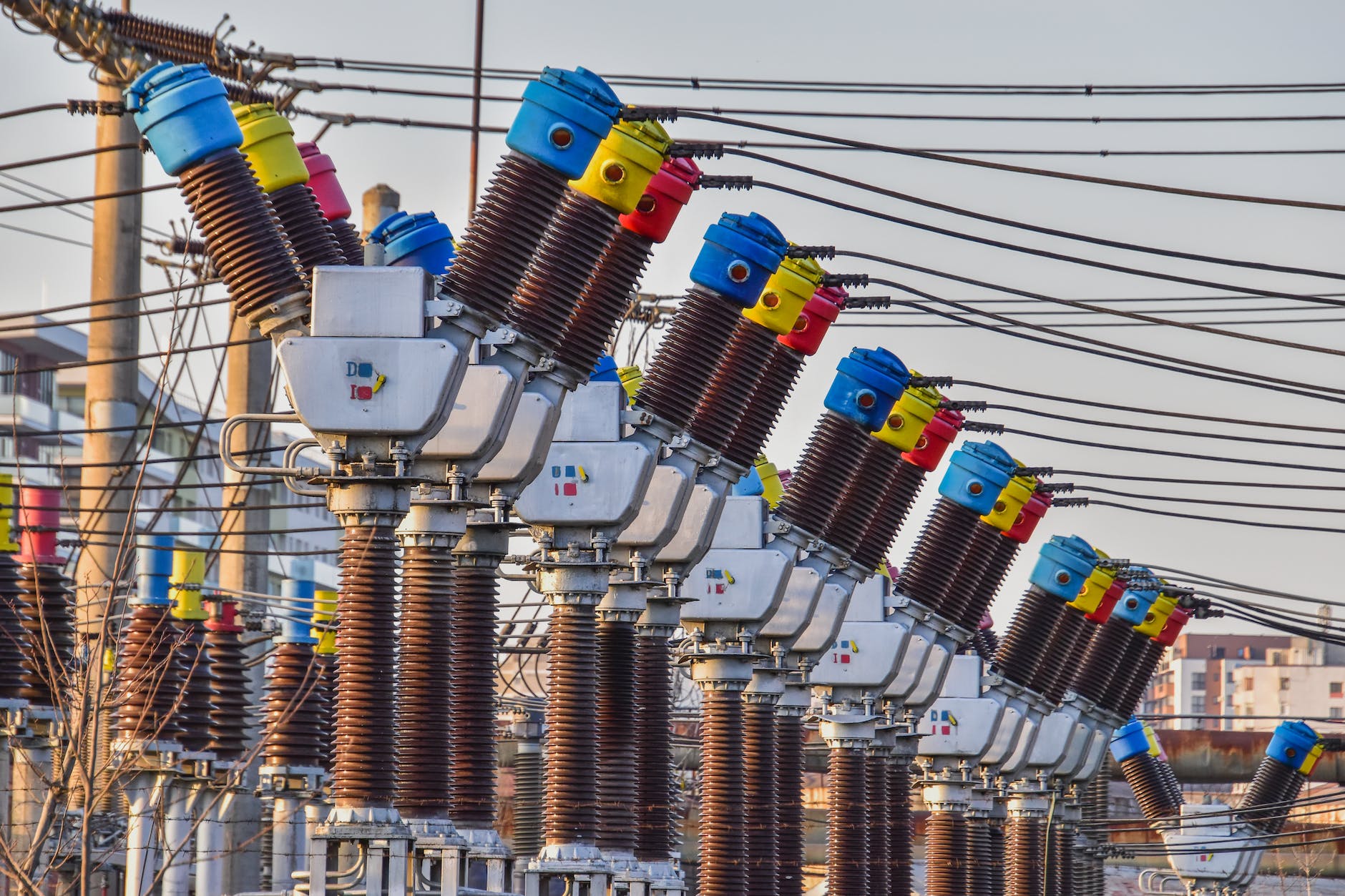

How Modern Designs Cut Losses
The engineering improvements behind today's energy-efficient transformers come down to three fronts:
Better core materials. Traditional cores use grain-oriented electrical steel (GOES). Newer amorphous steel alloys — metals cooled so quickly their atoms never form a crystal lattice — magnetize with far less resistance, cutting no-load losses dramatically. The trade-offs (amorphous steel is harder to manufacture with and can bulk up the core) are why the industry spent years debating how fast to mandate it.
Smarter windings. Thicker conductors, better winding geometry, and techniques like interleaved windings reduce resistance and the leakage flux that wastes energy between coils. Copper losses also drop when a transformer is sized correctly for its actual load profile rather than wildly oversized "to be safe" — an oversized transformer running at 15% load wastes proportionally more in core losses.
Better insulation and cooling. Biodegradable ester fluids now replace mineral oil in many designs, handling higher temperatures safely. Running a transformer hotter in a controlled way lets manufacturers shrink units and reduce material use without sacrificing efficiency.
Regulations Are Driving the Market
The biggest reason transformer efficiency keeps improving isn't voluntary — it's law.
In the US, the Department of Energy finalized amended efficiency standards for distribution transformers in April 2024. The rule requires loss reductions of roughly 10–30% versus the previous 2016 standards depending on transformer type, with mandatory compliance by April 2029. Notably, the final rule stepped back from the proposal's approach to amorphous steel, giving manufacturers flexibility on core materials and a longer runway — a change welcomed by utilities worried about supply chains.
The EU moved earlier: its Ecodesign regulation on power transformers has enforced Tier 2 efficiency tiers since July 2021, among the strictest requirements anywhere. India, China, and other major markets run their own escalating programs. The direction is global and one-way.
If you're specifying transformers in 2026, check the current status of any standard before purchase — regulators do revisit rules, and compliance dates can shift.
Renewables Make Efficient Transformers Non-Negotiable
The clean-energy transition quietly multiplies the number of transformers we need. Every solar farm, wind installation, and EV charging depot adds transformation steps to the grid. The IEA's grid analysis projects that meeting climate goals requires adding or refurbishing millions of kilometres of grid infrastructure by 2040 — and every one of those transformers will either waste energy for 30 years or won't, depending on choices made at purchase.
Two trends matter for the future:
1. Bidirectional flow. Rooftop solar pushes power backward through distribution transformers never designed for it. Modern designs and monitoring handle reverse flow and the voltage rise it causes.
2. Digital monitoring. Sensors tracking temperature, load, and dissolved gases now let utilities catch degradation early and load transformers optimally instead of by worst-case guesswork — squeezing more useful life out of more efficient hardware.
What Buyers Should Actually Check
If you're procuring a transformer, the nameplate efficiency number alone can mislead. Look at:
- Total cost of ownership, not purchase price. Efficiency premium pays back through lost-energy savings; DOE's rulemaking analysis consistently shows the standards' benefits outweigh costs many times over. Ask the vendor for a lifetime loss calculation at your real load profile.
- Efficiency at your load, not peak. A unit that's efficient at 100% load but sits at 30% load in practice may underperform a cheaper design optimized for part-load.
- Core material and winding spec in writing. Don't accept "meets standard" as the detail level.
- The applicable standard and compliance date for your market — US DOE 2029, EU Ecodesign, or local equivalents.
FAQ
How much energy does a transformer lose?
Modern distribution transformers convert 98–99.5% of input power to output, but the remaining fraction runs 24/7 for decades. A single medium-sized unit can waste thousands of kilowatt-hours a year in no-load losses alone, which is why aggregate transformer losses matter enormously at grid scale even when each unit looks efficient.
What is the difference between core loss and copper loss?
Core (no-load) loss happens in the transformer's iron core from repeated magnetization — hysteresis and eddy currents — and is constant whenever the transformer is energized. Copper (load) loss is resistance heating in the windings and rises with the square of the current. Core losses dominate at night; copper losses dominate at peak demand.
Are amorphous core transformers worth the higher price?
Usually yes for heavily loaded distribution service: their 60–70% lower no-load losses pay back the premium within several years, then keep saving for the unit's remaining life. The calculus depends on your electricity cost and load profile — the US DOE's 2024 rule chose not to mandate amorphous cores outright, leaving the trade-off to buyers and manufacturers.
What is the most efficient transformer available today?
Large power transformers above 100 MVA can exceed 99.7% efficiency, and premium amorphous-core distribution units reach about 99.5%. Efficiency rises with size, so "most efficient" per unit isn't the useful question — efficiency at your specific load profile and total ownership cost matter more than nameplate peaks.
How long does an energy-efficient transformer last?
Design life is typically 25–30 years or more, often stretching to 40 with good maintenance and monitoring. That longevity is exactly why efficiency standards matter: a transformer bought in 2029 will still be losing (or saving) energy in the 2060s, long past the career of whoever signed the purchase order.
Do transformers need maintenance to stay efficient?
Yes, mostly around heat. Core and winding losses show up as heat, and degrading insulation, dirty cooling fins, or failing bushings raise operating temperatures and losses. Annual inspections, oil quality testing, and thermal imaging keep a transformer running near its designed efficiency for its full life.
Related Reading
- The Renewable Energy Revolution
- The Rise of EV Charging Infrastructure
- Why Developers Need to Care About Energy-Efficient Code
- How to Start a Business That Helps in Sustainable Development
Efficient transformers aren't glamorous, but they're one of the highest-leverage climate technologies we have: hardware bought once, saving energy silently for three decades. The standards, materials, and monitoring tools all exist now — the remaining work is procurement choosing the 30-year option over the cheapest-today option.