

The vehicle transport industry has always depended on careful planning, reliable communication, and experienced drivers. Today, however, technology is changing how almost every part of the process works. From digital booking platforms to real-time vehicle tracking, new tools are making transportation more efficient, transparent, and convenient for both carriers and customers.
Digital Platforms Are Simplifying Bookings
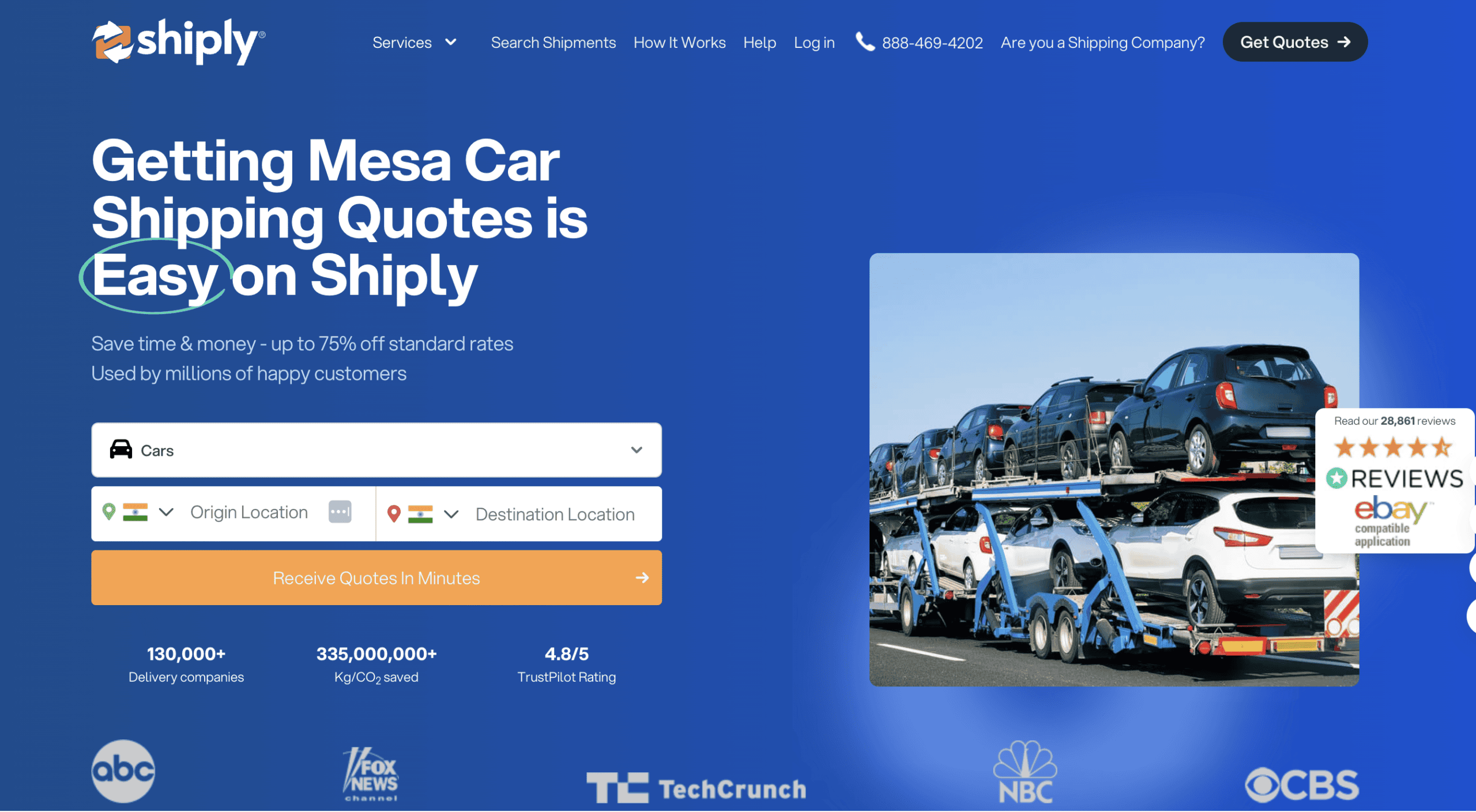
Arranging vehicle transportation once involved numerous phone calls, paper quotes, and lengthy negotiations. Digital platforms have made the process considerably easier. Customers can now enter details about their vehicle and journey, compare transportation options, and communicate with providers online.
This is particularly useful when looking for services in a specific area. Someone searching for car transporters in Mesa, for example, can use an online platform to explore suitable transportation options rather than contacting individual companies one at a time.
Digital systems also help transport businesses manage inquiries more efficiently, reducing administrative work and allowing teams to concentrate on coordinating collections and deliveries.
GPS Tracking Is Improving Visibility
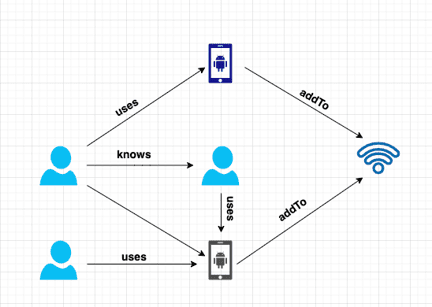
One of the biggest technological developments in vehicle transportation has been the widespread adoption of GPS and telematics. Fleet operators can monitor the locations of trucks and transporters while they are on the road, giving them a clearer picture of how each journey is progressing.
This visibility can help dispatchers respond quickly to delays, congestion, or unexpected route changes. It can also improve the customer experience because more accurate information can be provided about collection and delivery progress.
Instead of relying entirely on occasional updates from drivers, transport businesses can manage their fleets using continuously updated information.
Artificial Intelligence Is Supporting Better Planning
Artificial intelligence is becoming another valuable tool within transportation. AI-powered software can process large amounts of information and help businesses identify efficient routes, predict journey times, and improve the way loads are scheduled.
For vehicle transport companies, better planning can mean reducing unnecessary mileage and avoiding poorly organized journeys. Technology can also support decisions about which transporter should handle a particular collection based on factors such as location, available capacity, and destination.
AI does not remove the need for experienced transport professionals, but it can give them better information when making everyday operational decisions.
Mobile Technology Keeps Drivers Connected
Smartphones and mobile applications have transformed communication between drivers and transport offices. Drivers can receive updated instructions, report delays, upload photographs, and complete digital paperwork without waiting until they return to a depot.
Digital vehicle inspections are particularly useful. Photographs and condition reports can be recorded during collection and delivery, creating an accessible record of the vehicle’s condition at different stages of transportation.
Data Is Helping Companies Become More Efficient
Modern transport businesses generate substantial amounts of operational data. Analyzing information about routes, fuel use, vehicle performance, delivery times, and maintenance can reveal opportunities to reduce costs and improve reliability.
Predictive maintenance technology can also help companies identify potential mechanical problems before they result in breakdowns. Keeping transporters operating reliably is important in an industry where one unexpected vehicle failure can affect several scheduled collections or deliveries.
The Future of Vehicle Transportation
Technology will continue to reshape vehicle transportation as automation, connected vehicles, and intelligent planning systems develop further. Yet the industry’s future is unlikely to depend on technology alone.
The most effective transport businesses will combine digital tools with skilled drivers, responsive customer service, and practical logistics expertise. Technology can make vehicle transportation faster, clearer, and more efficient, while experienced people remain essential for handling the unpredictable realities of moving vehicles from one location to another.