

Running a WooCommerce store is a lot more than listing products and waiting for orders to roll in. As store volumes grow, handling these tasks manually becomes a bottleneck that costs time, introduces errors, and ultimately hurts the customer experience.
- 1. WooCommerce PDF Invoices, Packing Slips & Credit Notes
- 2. ATUM Inventory Management — Stock Management Labs
- 3. Smart Coupons for WooCommerce
- 4. WooCommerce Subscriptions
- 5. Order, Coupon & Subscription Import Export
- 6. WooCommerce Customer / Order / Coupon Export
- 7. ShipStation Integration
- 8. GDPR Cookie Consent Plugin
- 9. Metorik
- 10. WooCommerce Product Feed Plugin
- Conclusion
The good news is that the WooCommerce ecosystem has a rich selection of plugins built to automate and simplify these daily operations. Whether you are a solo merchant or managing a warehouse team, the right combination of tools can dramatically reduce the administrative overhead of running your store. This article covers some of the most practical plugins across key operational areas, from invoicing and shipping documents to order exports, promotions, and analytics, so you can build a stack that actually works for your business.
1. WooCommerce PDF Invoices, Packing Slips & Credit Notes
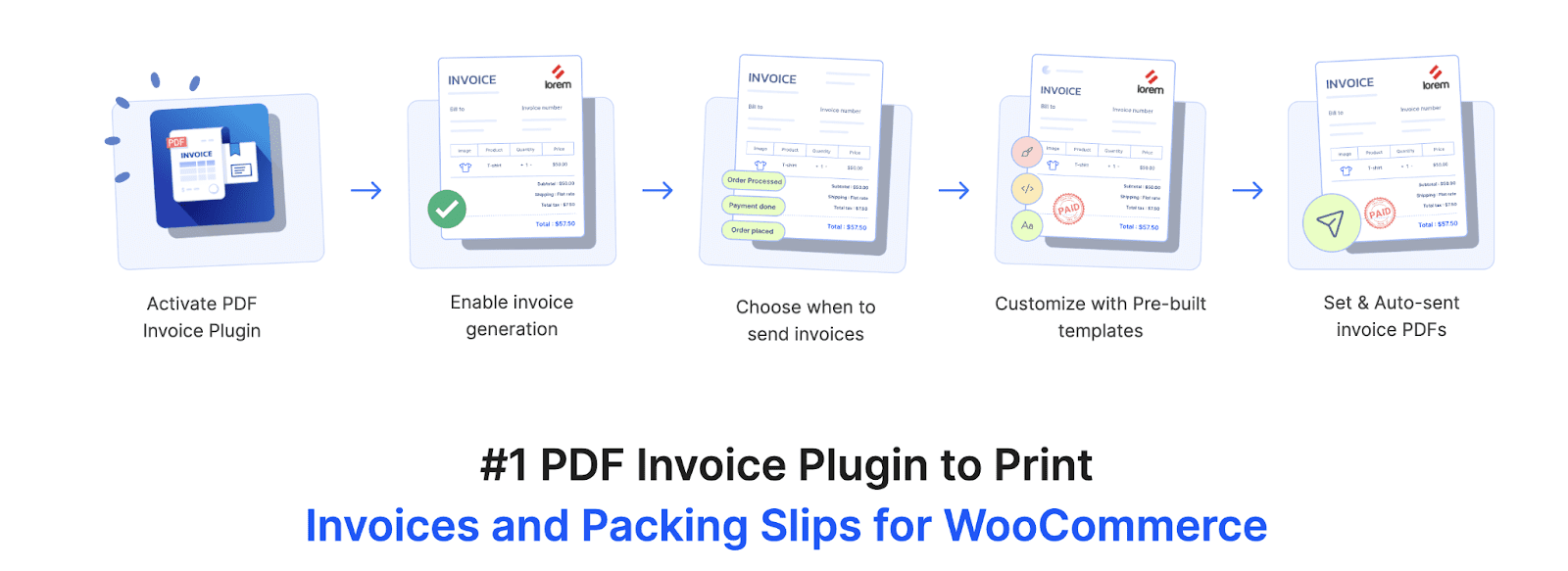

The free version of the PDF Invoice plugin lets WooCommerce stores automatically generate and attach basic PDF invoices to customer emails. Beyond the basics, the plugin offers a level of customization that suits a wide range of business types. Store owners can use a drag-and-drop visual editor or a code editor to design branded invoice templates, add product images and SKUs, include tax fields such as VAT/GST/ABN, display product attributes and metadata, and embed a “Pay Now” link directly into the invoice PDF so customers can settle outstanding payments without logging in.
2. ATUM Inventory Management — Stock Management Labs
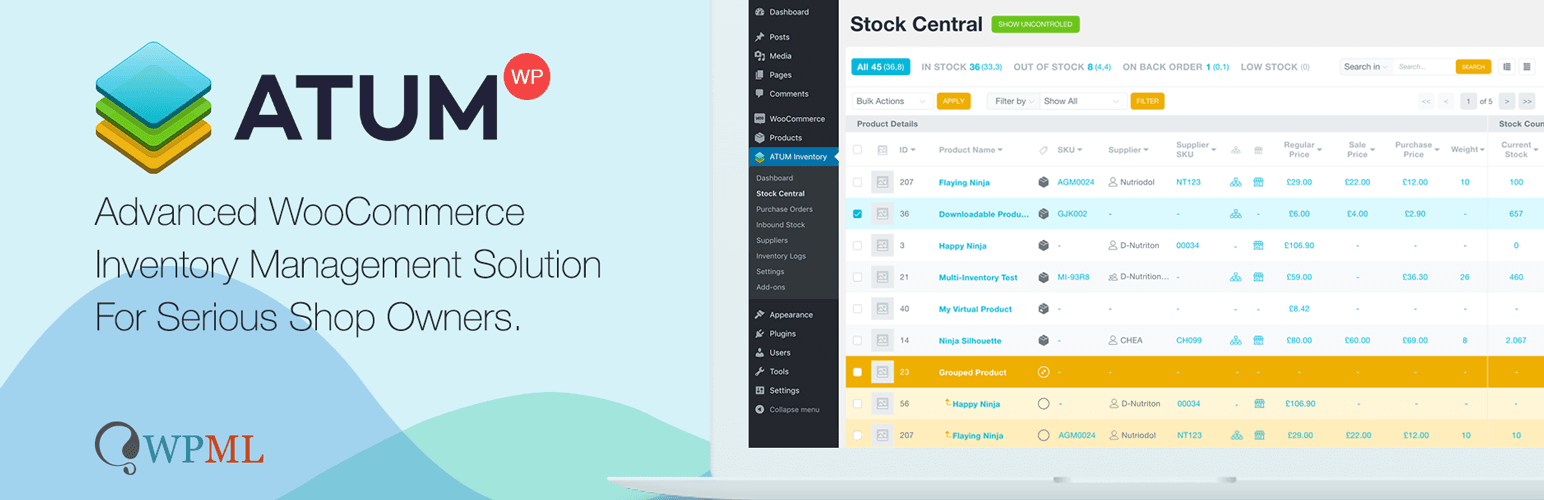

The premium purchase orders module allows you to create and send POs directly to suppliers from within WordPress, receive stock against those orders, and update inventory automatically on receipt. For stores that manufacture or bundle products, the Product Levels add-on tracks raw materials and finished goods using a Bill of Materials system, helping prevent stockouts at the component level before they create problems at the finished product level. ATUM’s reporting tools surface insights about slow-moving stock, reorder points, and overall inventory value — data that would otherwise require hours of manual spreadsheet work each week.
3. Smart Coupons for WooCommerce


For daily operations, the bulk coupon generation feature is a significant time-saver. You can create and export hundreds of unique single-use codes for a campaign in just a few clicks. The plugin also supports abandoned cart coupons and signup coupons, helping recover lost sales and automatically welcome new customers without manual follow-up. Store credits and gift vouchers can be issued directly to customers as a goodwill gesture or refund alternative, keeping that entire workflow within WooCommerce.
With both a free version and a premium tier, the plugin scales well from simple discount setups to sophisticated multi-condition promotional strategies. The free version of Smart Coupons plugin provides essential features to create and manage basic WooCommerce coupon campaigns, including discounts, BOGO offers, auto-apply coupons, and conditional rules.
4. WooCommerce Subscriptions

From a daily operations standpoint, Subscriptions reduce fulfillment work by automatically creating renewal orders and triggering the same processing workflow already in place for one-time purchases. The subscriber management screen gives store admins clear visibility into active, paused, and canceled subscriptions, along with tools to manually adjust billing dates, apply discounts, or process upgrades and downgrades. For stores selling consumables, digital access, or service-based products, this plugin converts what would otherwise be a constant cycle of re-engagement campaigns into predictable, automated revenue — with detailed reporting to track subscriber growth and churn over time.
5. Order, Coupon & Subscription Import Export
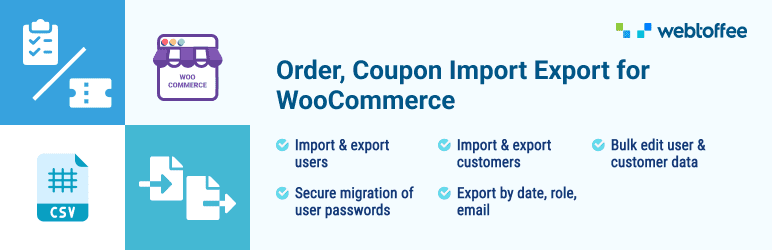

The import side of the plugin is equally practical for day-to-day management. Store owners can bulk-update order statuses, migrate orders from another platform, import subscription records, or restore coupon data after a migration, all without touching the database directly. The plugin supports both quick import/export for straightforward bulk tasks and an advanced mode with custom field mapping for more precise data handling.
6. WooCommerce Customer / Order / Coupon Export


This plugin is particularly useful when you need to push order data automatically to a third-party fulfillment system, mailing list, or ERP at regular intervals. Once an order is included in an automated export, it is marked as exported, preventing duplicates in future runs. The format builder allows you to rearrange columns, add custom meta fields, and tailor the output to match whatever system is receiving the data — making it one of the cleaner options for setting up a repeatable, low-maintenance data pipeline between WooCommerce and external tools.
7. ShipStation Integration
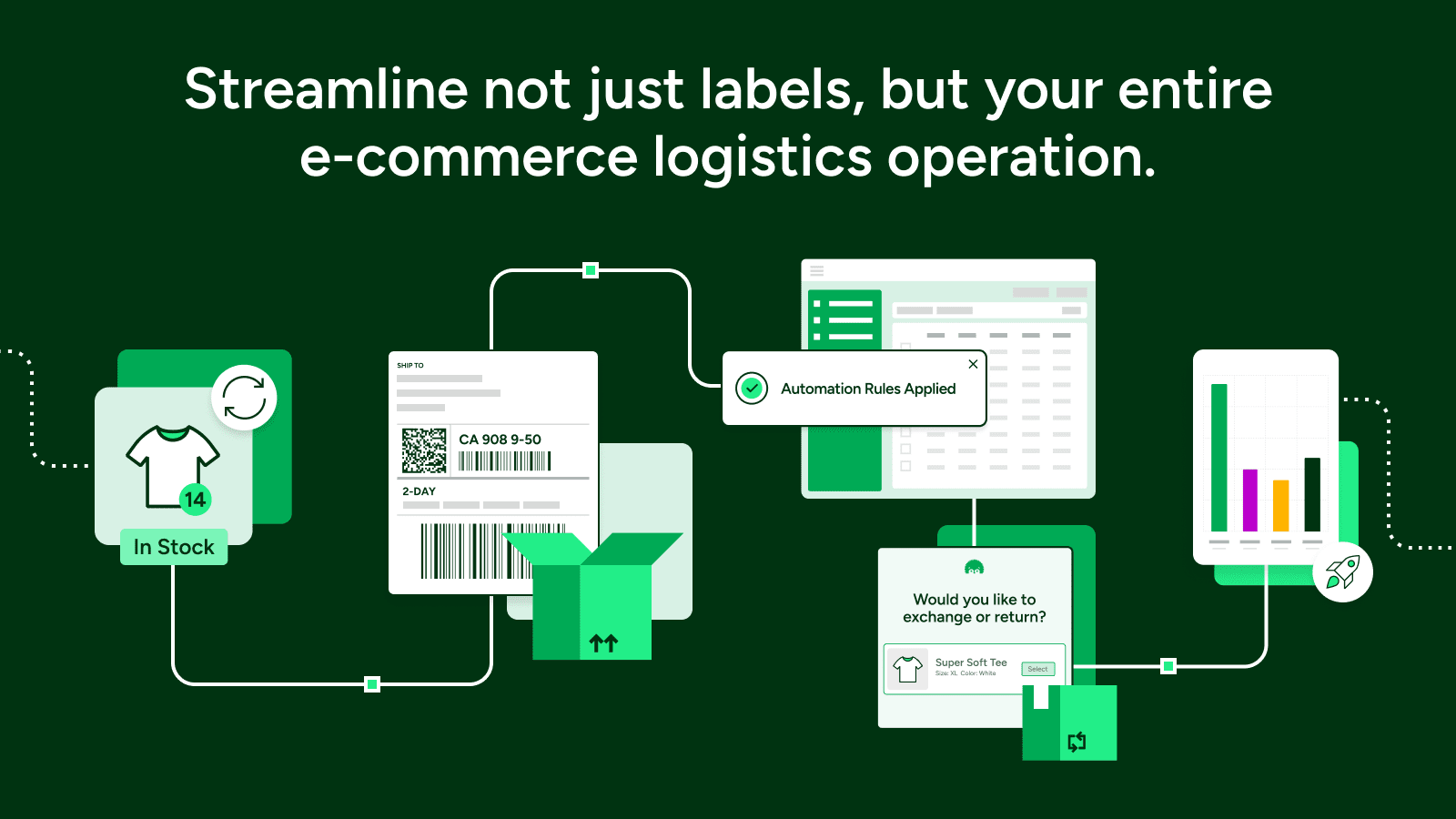

For stores processing more than a handful of orders per day, the time saved by printing a batch of labels in a single session rather than managing carrier accounts individually is substantial. ShipStation also handles international documentation, customs declarations, and multi-warehouse routing, which makes it a viable long-term tool even as the business scales. Its branded tracking pages and automated customer notifications mean that shipping updates reach customers without any manual intervention from the store team, and all fulfillment data stays synchronized back to WooCommerce in real time.
8. GDPR Cookie Consent Plugin
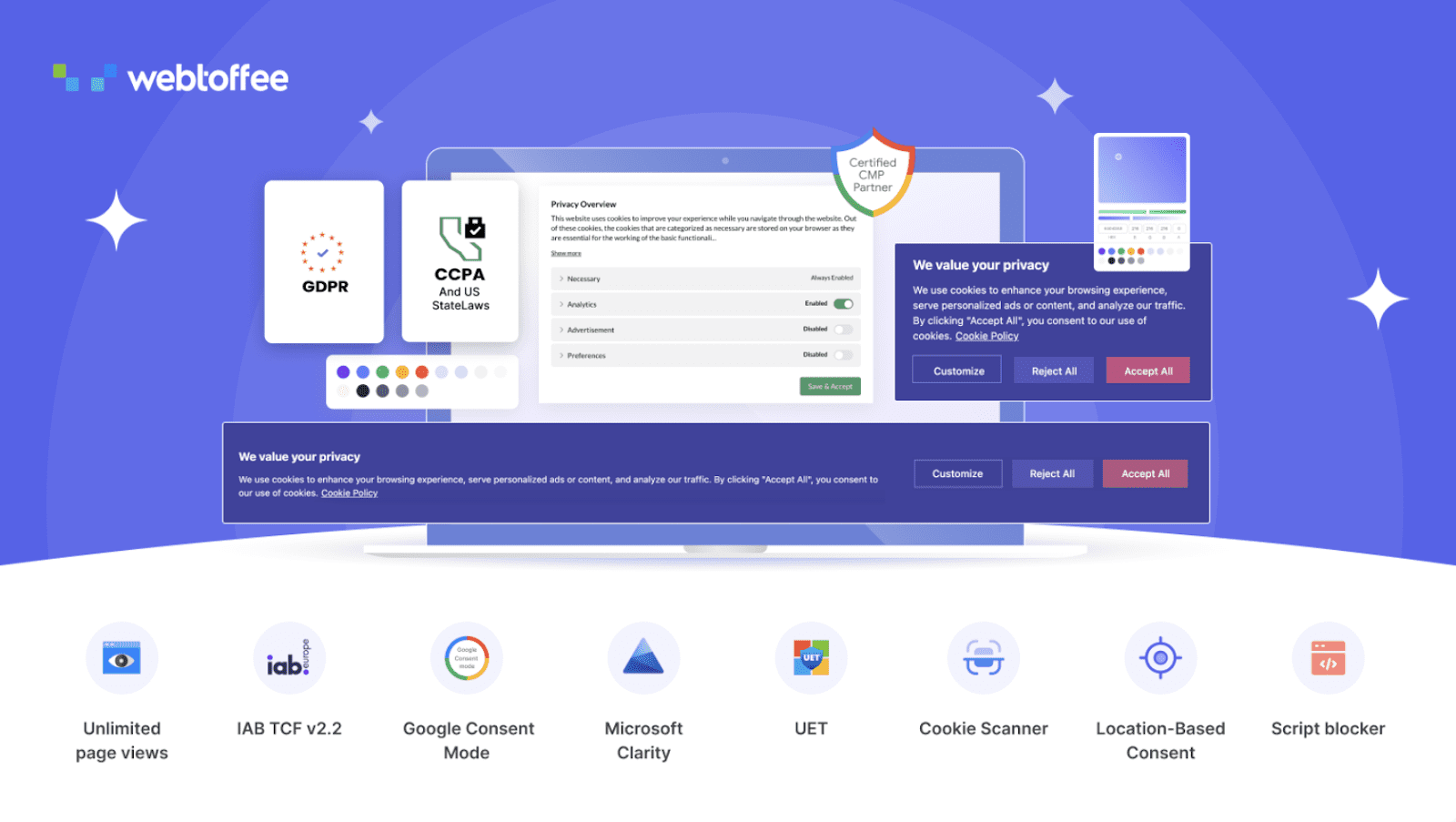

The automatic script-blocking system scans the website, matches detected cookies against a built-in cookie dictionary, and assigns them to appropriate categories, blocking all cookies by default until the user provides consent. A detailed consent log records cookies consented to, timestamps, and anonymized IP addresses of each visitor, giving site owners a reliable audit trail for regulatory proof of compliance.
9. Metorik
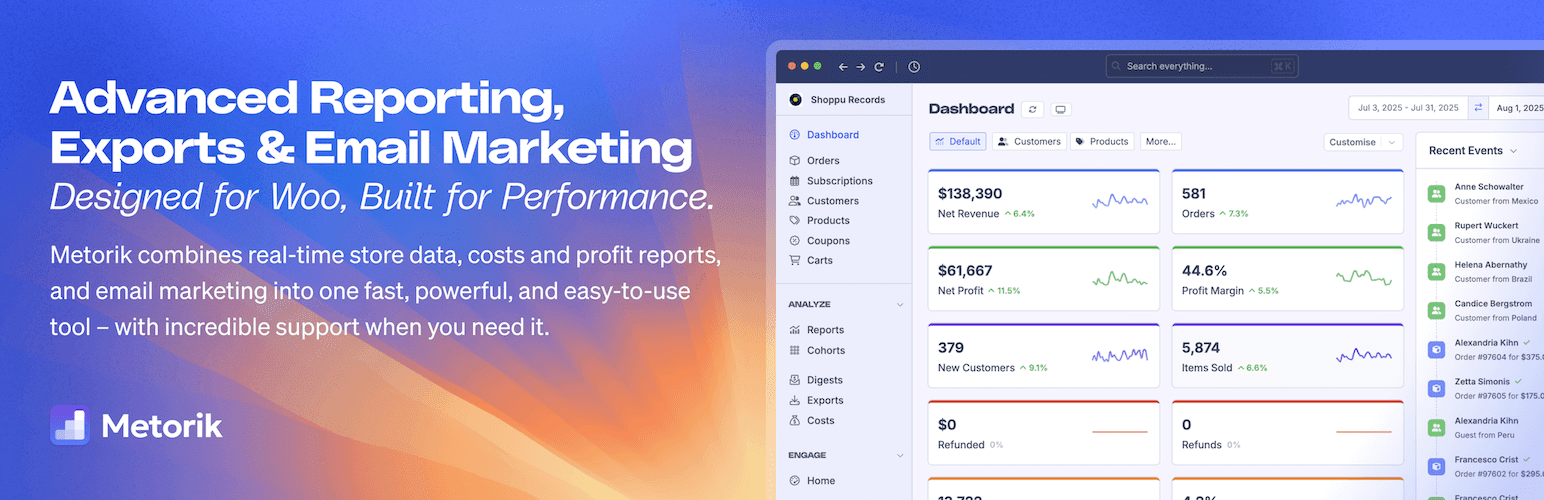
Metorik offers over 75 built-in reports covering orders, refunds, subscriptions, taxes, customer cohorts, product performance, and more, all filterable and comparable across time periods in real time.
10. WooCommerce Product Feed Plugin
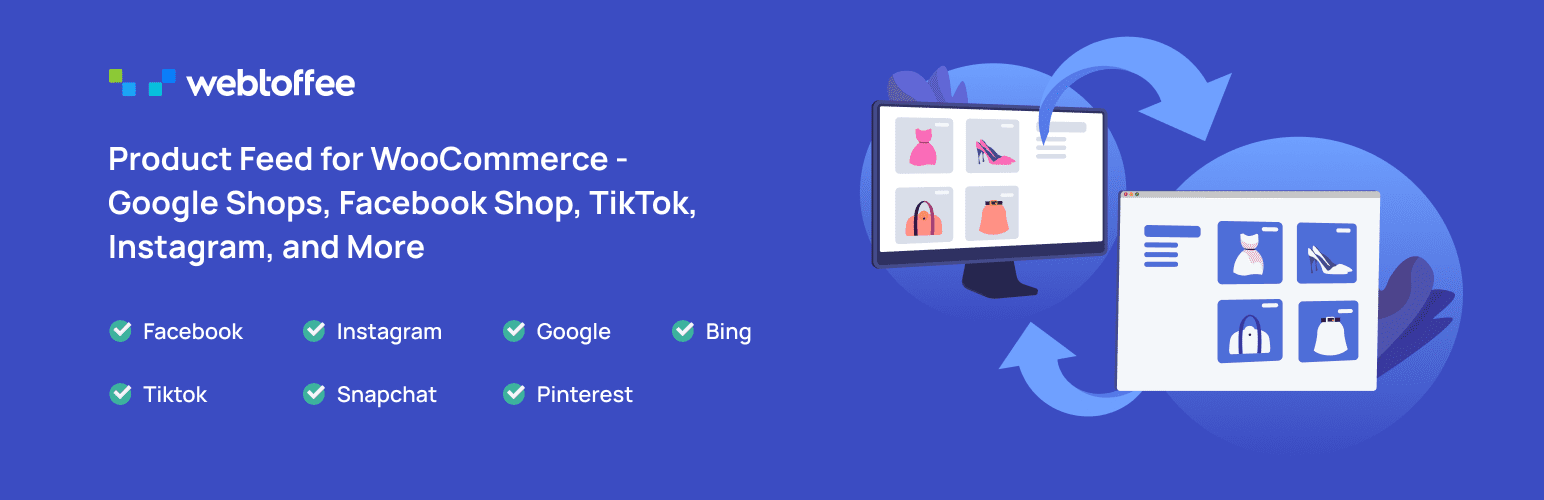
The plugin supports multiple currencies and integrates with multilingual tools, ensuring that product data is displayed accurately for international audiences. It is available in both premium and free versions, allowing store owners to start with essential feed generation features and scale up as needed.
By automating feed creation and updates, the plugin helps reduce manual effort and ensures product data remains consistent across all connected channels.
Conclusion
No two WooCommerce stores have identical operational needs, but most encounter the same friction points as they grow: document management becomes a chore, inventory falls out of sync, shipping slows down, and reporting is always one step behind. The tools covered in this article address those friction points directly, automating the repetitive, surfacing the important, and connecting workflows that would otherwise require constant manual coordination.
A practical approach is to identify which area of your daily operations is consuming the most time or creating the most errors, and start there. For many stores, that begins with order documentation and invoicing, getting PDFs generated, attached to emails, and archived automatically is a foundational step that pays dividends across accounting, customer service, and compliance. From there, layering in inventory management, smarter promotions, reliable shipping, and data visibility compounds the efficiency gains over time.