


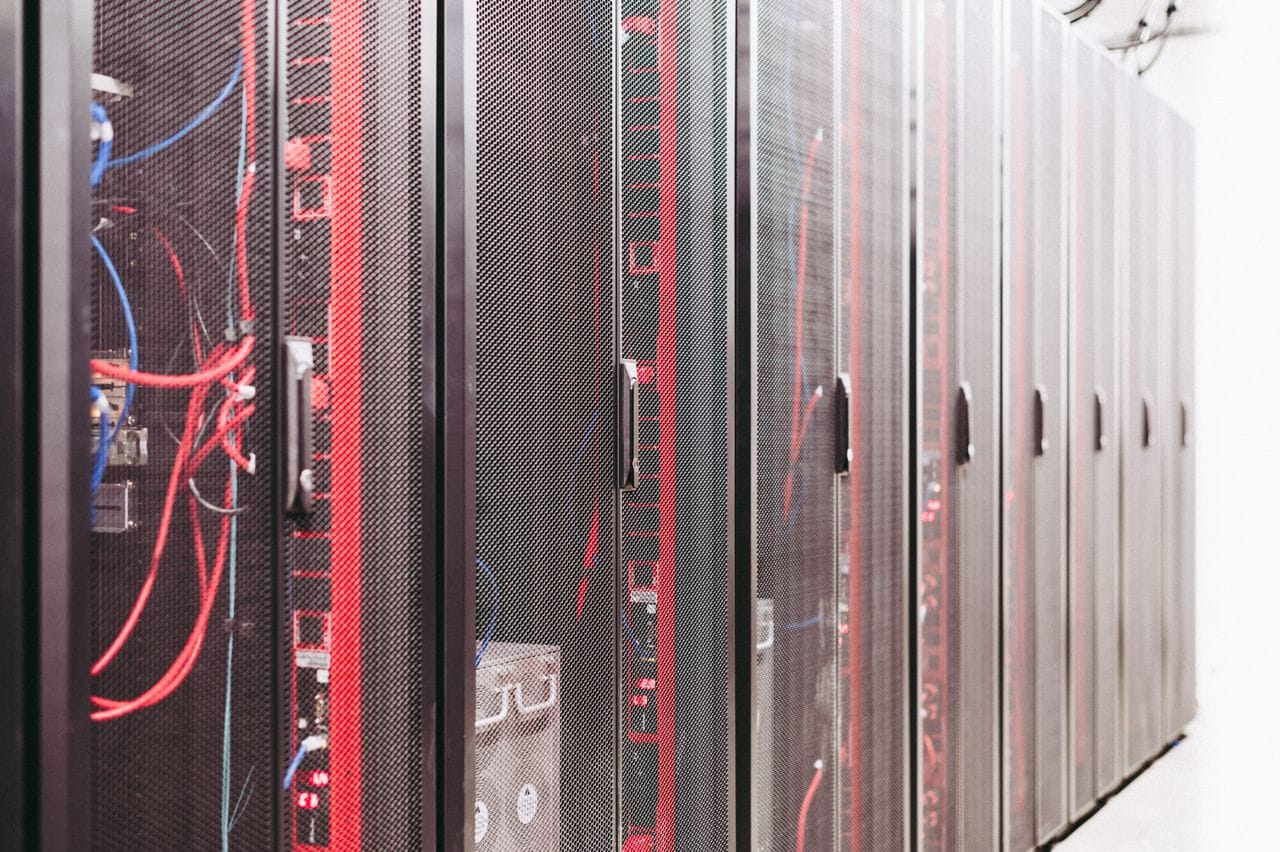

It’s a process most people outside IT operations never think about, yet it touches nearly every business running its own infrastructure.
Why Hardware Refresh Cycles Happen More Often Than You’d Expect
Enterprise hardware doesn’t wear out the way a laptop does. Servers and storage systems can often run reliably well past their official support windows. What actually drives replacement is usually a mix of factors: manufacturer warranties expiring, performance no longer keeping up with workload demands, and vendors ending extended support for older platforms. A company running critical infrastructure on unsupported hardware takes on real operational risk, so refresh cycles tend to happen on a schedule rather than only when something breaks.
That creates a steady stream of retired but often still-functional equipment. Companies like Direct Hardware Supply exist specifically to handle that stream, buying decommissioned servers, storage systems, and networking components from businesses upgrading their infrastructure, then refurbishing and reselling that equipment to organizations that don’t need brand-new hardware to meet their needs.
The Part Most People Overlook: Data Erasure
Before any of that equipment can responsibly change hands, it has to go through proper data sanitization. Enterprise storage devices often hold sensitive business data, and simply deleting files or reformatting a drive doesn’t guarantee that data is unrecoverable. Reputable hardware resellers run certified data erasure processes and document the results, since a data breach traced back to improperly wiped equipment can be a far bigger liability than the hardware itself was worth.
This step is where the difference between a careless decommissioning process and a responsible one becomes obvious. Skipping it, or trusting an unverified vendor with it, is one of the more preventable security mistakes an IT department can make.
The Environmental Math Behind Reuse
Manufacturing new enterprise hardware carries a real environmental cost, and it’s larger than most people assume. According to the EPA, electronic waste is the fastest-growing category in the US municipal waste stream, driven partly by how quickly electronics get replaced rather than repaired or reused. Extending a server’s usable life by even a few years through refurbishment measurably reduces the demand for new raw materials and the waste generated when equipment is scrapped too early.
Where This Leaves IT Buyers
For businesses evaluating their own hardware refresh strategy, this creates a genuine choice point: buy new equipment at full price, or work with a supplier offering tested, warrantied refurbished gear at a fraction of the cost. Direct Hardware Supply and similar vendors have built their business around making that second option viable for companies that don’t want to compromise on reliability just to cut costs.
The Bigger Picture
None of this makes headlines the way a new product launch does, but the secondary market for enterprise IT hardware has become a meaningful part of how the industry actually operates. It keeps functional equipment out of landfills, gives smaller organizations access to enterprise-grade infrastructure, and, when done properly through data-erasure-conscious suppliers, closes the loop on hardware that still has years of useful life left in it.